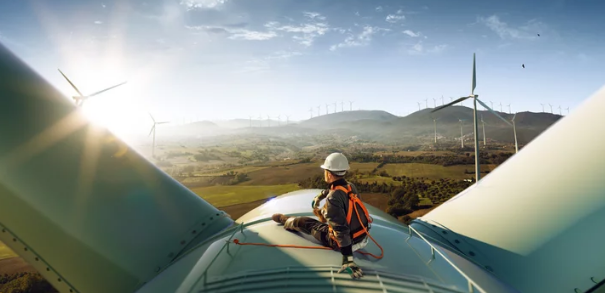
Sustainability is no longer an option in engineering—it is a necessity. In 2025, eco-friendly engineering projects are at the forefront of innovation, addressing global environmental challenges while promoting economic efficiency and social well-being. From renewable energy solutions and green construction to waste reduction systems and sustainable transportation, engineers are designing projects that balance human progress with ecological responsibility.
This article explores the eco-friendly engineering projects leading sustainability in 2025, highlighting innovations, trends, and their impact on industries and communities.
Why Eco-Friendly Engineering Matters in 2025
Environmental concerns such as climate change, resource depletion, and pollution have made sustainable engineering essential. In 2025, eco-friendly projects are driven by:
- Global commitment to carbon neutrality and emissions reduction
- Advancements in renewable energy and energy storage
- Integration of AI, IoT, and smart systems for efficiency
- Demand for sustainable materials and circular economy practices
These projects combine technology, innovation, and environmental stewardship to create long-lasting solutions.
Renewable Energy Projects
Renewable energy continues to dominate sustainable engineering initiatives in 2025.
Key Projects
- Solar farms with AI-optimized panel alignment
- Offshore and onshore wind turbines using advanced materials
- Hybrid energy systems combining solar, wind, and storage
- Microgrid development for energy resilience in remote communities
Impact:
Renewable energy projects reduce greenhouse gas emissions, promote energy independence, and support climate action goals.
Green Building and Sustainable Construction
Construction is a major contributor to carbon emissions, making green engineering essential in 2025.
Notable Projects
- Net-zero energy buildings using solar, wind, and energy-efficient designs
- Eco-friendly construction materials such as low-carbon concrete, recycled steel, and bamboo composites
- Modular and prefabricated buildings to minimize construction waste
- Smart building management systems for optimized energy and water use
Impact:
Green buildings reduce operational costs, lower environmental impact, and enhance occupant well-being.
Water Management and Eco-Infrastructure
Efficient water use and infrastructure sustainability are critical challenges addressed by eco-friendly engineering.
Key Projects
- IoT-enabled smart water distribution systems
- Water recycling and desalination plants
- Flood-resistant infrastructure and sustainable drainage systems
- Rainwater harvesting and stormwater management solutions
Impact:
These projects conserve water resources, protect ecosystems, and provide reliable access to clean water.
Waste Reduction and Circular Economy Projects
Minimizing waste and promoting material reuse is a core aspect of sustainable engineering.
Innovative Projects
- Industrial recycling and material recovery facilities
- Organic waste-to-energy conversion systems
- AI-assisted waste sorting and management
- Circular supply chains integrating reclaimed materials
Impact:
Waste reduction projects decrease pollution, conserve natural resources, and reduce carbon footprints.
Sustainable Transportation Engineering
Transportation is a significant source of emissions, and eco-friendly projects are transforming mobility in 2025.
Notable Projects
- Electric and hydrogen-powered vehicles
- Autonomous public transport systems
- Smart traffic management with AI
- Eco-friendly freight and logistics solutions
Impact:
Sustainable transportation reduces emissions, improves air quality, and creates energy-efficient mobility systems.
Renewable and Eco-Friendly Materials
Material innovation plays a crucial role in eco-friendly engineering.
Key Projects
- Biodegradable and recyclable materials for industrial applications
- High-strength low-carbon composites
- Smart materials for energy efficiency and maintenance reduction
- Nanomaterials for sustainable electronics and energy solutions
Impact:
Sustainable materials reduce environmental impact, promote durability, and encourage circular economy practices.
Climate-Resilient Engineering Projects
Climate change resilience is integral to sustainable engineering in 2025.
Notable Projects
- Flood control and coastal defense infrastructure
- Earthquake-resistant building frameworks
- Climate-adaptive energy and water systems
- Sustainable urban planning for heat mitigation and green spaces
Impact:
Climate-resilient projects protect communities, minimize disaster risks, and ensure long-term infrastructure stability.
AI and Smart Systems for Sustainability
Artificial intelligence and smart systems are amplifying the impact of eco-friendly engineering.
Key Applications
- Smart energy grids for optimized consumption
- Predictive maintenance for sustainable infrastructure
- AI-based water and waste management
- Smart agriculture systems for efficient resource use
Impact:
AI-enabled projects enhance efficiency, reduce waste, and promote data-driven environmental solutions.
Global Eco-Friendly Mega Projects
Several large-scale engineering projects in 2025 exemplify sustainability on a global scale.
Examples
- Solar and wind energy megaprojects powering cities and industries
- Smart city initiatives integrating green infrastructure and IoT
- Climate-resilient transportation corridors
- Circular economy-based industrial parks
Impact:
Mega projects serve as benchmarks for sustainable innovation and inspire worldwide adoption of eco-friendly practices.
Why Eco-Friendly Engineering Projects Define 2025
Sustainable engineering projects are essential because they:
- Address climate change and resource scarcity
- Promote energy efficiency and renewable solutions
- Encourage circular economy and waste reduction
- Enhance community resilience and quality of life
These projects represent a shift toward engineering that prioritizes both progress and planetary health.
Final Thoughts: Leading Sustainability Through Engineering
Eco-friendly engineering projects in 2025 demonstrate that innovation and environmental responsibility can coexist. From renewable energy and green construction to smart water systems, waste management, and sustainable transportation, engineers are creating solutions that leave a positive impact on the planet.
As these projects evolve, 2025 may be remembered as the year eco-friendly engineering became central to global innovation—shaping a sustainable, resilient, and prosperous future for generations to come.
Also Read :