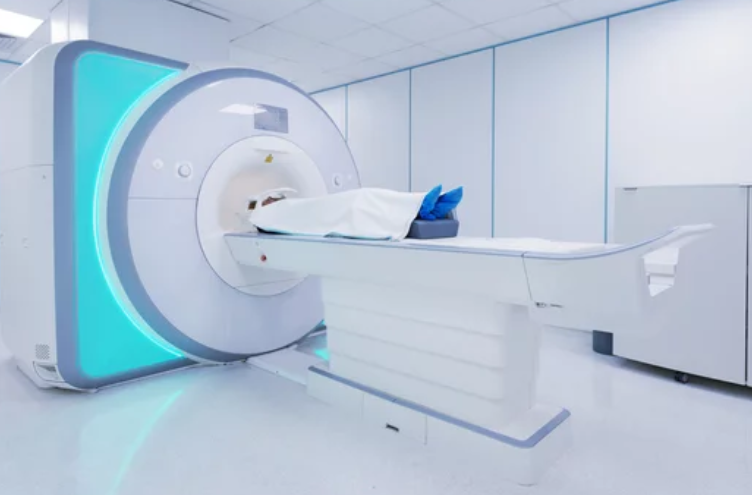
Magnetic Resonance Imaging (MRI) is one of the most advanced diagnostic tools in modern medicine. It allows doctors to see detailed images of organs, tissues, and structures inside the body without surgery or exposure to ionizing radiation. Despite its proven value, MRI is often misunderstood, leading to unnecessary fear and confusion.
This article explains what MRI imaging is, its key benefits, possible risks, and the most common myths—so you can understand the facts with clarity and confidence.
What Is MRI Imaging?
MRI (Magnetic Resonance Imaging) is a non-invasive medical imaging technique that uses:
- Strong magnetic fields
- Radiofrequency (RF) waves
- Computer technology
Together, these elements create highly detailed images of soft tissues such as the brain, spinal cord, muscles, ligaments, and internal organs. MRI is especially useful when X-rays or CT scans cannot provide enough detail.
Key Benefits of MRI Imaging
1. No Ionizing Radiation
One of the biggest advantages of MRI is that it does not use ionizing radiation. This makes it safer than imaging methods like X-rays or CT scans, especially for:
- Children and adolescents
- Pregnant patients (when medically necessary)
- Patients requiring repeated scans
2. High-Resolution Images
MRI provides exceptional image clarity, particularly for soft tissues. This allows doctors to:
- Detect tumors at early stages
- Diagnose brain and spinal disorders
- Identify joint and muscle injuries
- Monitor chronic conditions accurately
3. Early and Accurate Diagnosis
MRI helps detect diseases before symptoms become severe. Early diagnosis often leads to:
- More effective treatment
- Better patient outcomes
- Reduced need for invasive procedures
4. Versatile Medical Applications
MRI is used across many medical fields, including:
- Neurology
- Orthopedics
- Cardiology
- Oncology
- Gynecology
Its versatility makes MRI a cornerstone of modern diagnostic medicine.
Potential Risks of MRI Imaging
Although MRI is considered very safe, there are some risks and limitations to be aware of.
1. Metal and Implant Safety Concerns
Because MRI uses powerful magnets, it may not be suitable for patients with:
- Certain pacemakers
- Cochlear implants
- Metal fragments in the body
This is why thorough screening is done before every MRI scan.
2. MRI Contrast Agents
Some MRI exams require contrast agents, commonly gadolinium-based, to improve image clarity.
Possible concerns include:
- Mild allergic reactions (rare)
- Special precautions for patients with severe kidney disease
Importantly, no scientific evidence links MRI contrast agents to cancer. Doctors only use contrast when the benefits clearly outweigh any risks.
3. Claustrophobia and Noise
MRI machines can feel confined and are often loud. Some patients experience:
- Anxiety or claustrophobia
- Discomfort from noise
These issues are usually managed with open MRI machines, ear protection, or calming techniques.
Common Myths About MRI Imaging
Myth 1: MRI Scans Cause Cancer
Fact: MRI does not use ionizing radiation and has not been linked to cancer in scientific studies.
Myth 2: MRI Is Dangerous Because of Strong Magnets
Fact: The magnetic fields used in MRI do not damage cells or DNA. Safety risks are related to metal objects, not biological harm.
Myth 3: Multiple MRI Scans Are Harmful
Fact: There is no evidence that repeated MRI scans cause long-term health problems.
Myth 4: MRI Is the Same as a CT Scan
Fact: CT scans use ionizing radiation, while MRI does not. The two technologies serve different medical purposes.
MRI Safety for Children and Pregnant Patients
MRI is often preferred for children because it avoids radiation exposure. When medically necessary, MRI without contrast is also considered safe during pregnancy. Extensive research has not shown an increased risk of birth defects or childhood cancer related to MRI use.
When Should MRI Be Avoided or Used with Caution?
MRI may not be appropriate for everyone. Extra caution is needed for individuals with:
- Non-MRI-compatible medical implants
- Certain electronic devices
- Severe claustrophobia
In such cases, doctors may recommend alternative imaging methods.
The Role of MRI in Modern Healthcare
MRI imaging plays a vital role in:
- Detecting diseases early
- Guiding treatment decisions
- Monitoring recovery and long-term conditions
Its safety profile and diagnostic accuracy make it one of the most trusted imaging tools in medicine today.
Final Thoughts
MRI imaging offers significant benefits with minimal risks when proper safety guidelines are followed. It does not cause cancer, does not expose patients to ionizing radiation, and provides unmatched detail for diagnosing a wide range of medical conditions.
Understanding the facts about MRI helps reduce fear and misinformation. When recommended by a healthcare professional, MRI is a safe, effective, and powerful tool that supports better health outcomes and informed medical care.
Also Read :
- Is There a Link Between MRI Scans and Cancer?
- Medical Education and MRI: Training the Doctors of Tomorrow
- How MRI is Driving Value-Based Medical Treatment