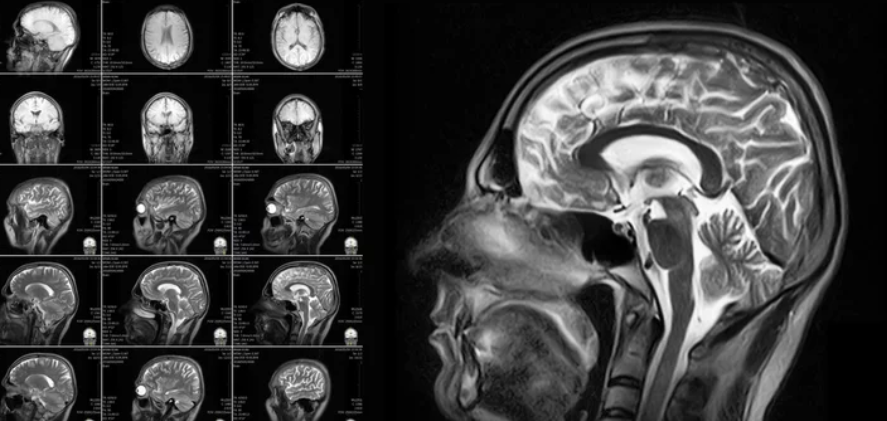
Magnetic Resonance Imaging (MRI) is widely used for diagnostic purposes, renowned for its safety profile due to the absence of ionizing radiation. However, concerns have occasionally arisen regarding whether MRI could potentially increase cancer risk. This review critically examines the scientific evidence to address this question.
Understanding MRI and Its Biological Impact
- How MRI works: MRI employs strong magnetic fields and radiofrequency (RF) pulses to generate images.
- No ionizing radiation: Unlike X-rays or CT scans, MRI does not emit ionizing radiation, which is a known carcinogen.
- Potential concerns: Exposure to RF energy may cause tissue heating, but this is tightly regulated and kept within safe limits.
Review of Scientific Studies
1. Epidemiological Evidence
- Population studies: Most large-scale studies have not found an increased cancer risk associated with MRI exposure.
- Long-term data: Limited due to the relatively recent widespread adoption of MRI; ongoing studies continue to monitor long-term effects.
2. Laboratory and Animal Studies
- RF exposure: Experiments have shown that excessive RF exposure can cause tissue heating, but standard clinical MRI procedures are designed to prevent any significant heating.
- Carcinogenic potential: No conclusive evidence from animal studies indicates that MRI RF fields induce carcinogenesis.
3. Regulatory and Safety Guidelines
- Organizations such as the FDA and WHO have established strict safety standards for MRI machines.
- These guidelines ensure RF energy levels remain well below thresholds known to cause biological harm.
Common Misconceptions and Clarifications
- MRI causes cancer: Current scientific evidence does not support the idea that MRI causes cancer.
- Repeated scans increase risk: No credible data suggest that multiple MRI scans elevate cancer risk.
- Contrast agents are dangerous: Gadolinium-based contrast agents are generally safe; concerns about gadolinium retention are under investigation but have not been linked to cancer.
Limitations of Current Research
- Long-term data: Limited due to the relatively recent adoption of MRI technology.
- Vulnerable populations: More research needed on children, pregnant women, and patients with implants.
Conclusion
Based on current scientific evidence, MRI does not cause cancer. Its safety profile is well-established, and it remains a crucial tool in modern medicine for diagnosing and managing various health conditions, including cancer. Ongoing research continues to monitor long-term safety, but the existing data strongly support MRI’s safety in clinical practice.
Also Read :