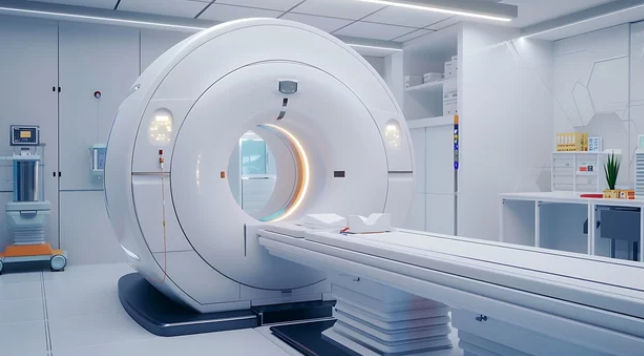
Magnetic Resonance Imaging (MRI) is a cornerstone of modern diagnostic medicine, widely used to detect, stage, and monitor a broad range of diseases, including cancer. Despite its clinical importance and long-standing use, questions occasionally arise about whether the strong magnetic fields used in MRI could increase cancer risk.
This concern is understandable. Cancer risk is often associated with radiation exposure, and MRI machines are known for producing extremely powerful magnetic fields. However, the science behind MRI is fundamentally different from radiation-based imaging. This article provides a clear, evidence-based explanation of cancer risk and magnetic fields from an MRI perspective, separating scientific facts from misconceptions while offering a comprehensive and SEO-optimized overview.
Understanding Magnetic Fields in MRI
MRI systems use very strong magnetic fields, radiofrequency (RF) waves, and computer algorithms to create detailed images of the body. The magnetic field strength in clinical MRI scanners is typically measured in tesla (T), with common systems operating at 1.5T or 3T.
Importantly, magnetic fields themselves are not radiation. They are a physical force that influences charged particles and atomic alignment but does not damage cells or DNA.
Magnetic Fields vs. Ionizing Radiation
What Causes Cancer Risk in Medical Imaging?
Cancer risk in medical imaging is primarily linked to ionizing radiation, which has enough energy to break chemical bonds and damage DNA. This type of radiation is used in:
- X-rays
- CT scans
- PET scans
DNA damage from ionizing radiation can increase mutation risk over time, which is why radiation exposure is carefully controlled.
Why MRI Is Different
MRI does not use ionizing radiation. Instead, it relies on:
- Static magnetic fields
- Time-varying gradient magnetic fields
- Non-ionizing radiofrequency energy
None of these components have the energy required to cause DNA strand breaks or genetic mutations.
Do Magnetic Fields Increase Cancer Risk?
What the Scientific Evidence Shows
Decades of research involving millions of MRI scans worldwide have found no credible evidence linking MRI magnetic fields to an increased risk of cancer. Large population studies, laboratory research, and long-term clinical data consistently support the safety of MRI.
Some experimental studies have examined whether magnetic fields could cause subtle biological changes at the cellular level. While minor and temporary effects have occasionally been observed, these changes were reversible and not associated with cancer development or permanent DNA damage.
How the Body Responds to MRI Magnetic Fields
Alignment of Hydrogen Atoms
The human body contains a high concentration of hydrogen atoms due to water content. In an MRI scanner, the magnetic field temporarily aligns these hydrogen atoms. This alignment is harmless and returns to normal immediately after the scan.
No Chemical Bond Disruption
Unlike ionizing radiation, magnetic fields do not disrupt molecular structures or chemical bonds. As a result, they do not initiate the cellular mutations that lead to cancer.
Radiofrequency Energy and Cancer Risk
MRI uses radiofrequency pulses to generate imaging signals. These RF waves are a form of non-ionizing electromagnetic energy, similar to those used in everyday technologies such as radios and mobile phones.
Tissue Heating and Safety Controls
RF energy can cause minimal tissue heating during MRI scans. However, MRI systems are designed with strict safety limits to ensure that any temperature changes remain well within safe physiological ranges.
Extensive testing has shown that this controlled heating does not lead to cancer or genetic damage.
MRI Contrast Agents and Cancer Concerns
Some MRI scans require contrast agents to improve image quality.
Are Contrast Agents Linked to Cancer?
Current scientific evidence does not support a link between MRI contrast agents and cancer risk. These agents enhance magnetic properties rather than emitting radiation.
Regulatory agencies continue to monitor contrast agent safety, but there is no data showing increased cancer incidence related to their use.
MRI Use in Cancer Patients: A Safety Advantage
Repeated Imaging Without Added Risk
Cancer patients often require frequent imaging for diagnosis, treatment planning, and follow-up. MRI’s lack of ionizing radiation makes it especially valuable in oncology, as repeated scans do not increase cumulative cancer risk.
Long-Term Monitoring and Survivorship
For cancer survivors, long-term monitoring is essential. MRI allows ongoing surveillance without exposing patients to radiation-related risks, which is particularly important for younger survivors.
Magnetic Fields and Vulnerable Populations
Children and Adolescents
Children are more sensitive to radiation-related cancer risks. MRI is commonly preferred in pediatric imaging because magnetic fields do not pose the same long-term risks as radiation.
Pregnancy and MRI Safety
MRI is generally considered safe during pregnancy when medically necessary. There is no scientific evidence linking MRI magnetic field exposure to cancer or developmental abnormalities.
Common Myths About MRI Magnetic Fields and Cancer
Myth 1: Strong Magnetic Fields Damage DNA
Magnetic fields do not have enough energy to damage DNA or cause mutations.
Myth 2: MRI Exposure Accumulates Over Time
Magnetic field exposure does not accumulate in the body like radiation.
Myth 3: MRI Can Trigger Cancer Years Later
Long-term studies have not shown delayed cancer development linked to MRI scans.
Regulatory Standards and MRI Safety Oversight
MRI systems are governed by strict international safety standards that regulate:
- Magnetic field strength
- RF energy exposure
- Scan duration
- Patient screening procedures
These standards are continuously reviewed and updated to reflect the latest scientific findings, ensuring MRI remains a safe diagnostic tool.
The Role of Research in MRI Safety
Ongoing research continues to examine the biological effects of magnetic fields, particularly as higher-field MRI systems are developed. So far, studies consistently confirm that clinical MRI operates within safe limits with no proven cancer risk.
Technological advancements also focus on reducing scan times and improving patient comfort while maintaining safety.
MRI Compared to Environmental Magnetic Field Exposure
Everyday life exposes people to weak magnetic fields from power lines, household appliances, and electronic devices. MRI magnetic fields are much stronger but are applied for short, controlled periods under medical supervision.
Even at these higher strengths, there is no evidence linking MRI exposure to increased cancer risk.
Conclusion: Cancer Risk and Magnetic Fields from an MRI Perspective
From a scientific and clinical standpoint, there is no evidence that MRI magnetic fields increase cancer risk. MRI does not use ionizing radiation, does not damage DNA, and does not cause genetic mutations associated with cancer development.
As one of the safest and most effective imaging technologies available, MRI continues to play a vital role in cancer diagnosis, treatment planning, and long-term monitoring. Its ability to deliver detailed imaging without radiation exposure makes it an essential tool in modern medicine.
Also Read :