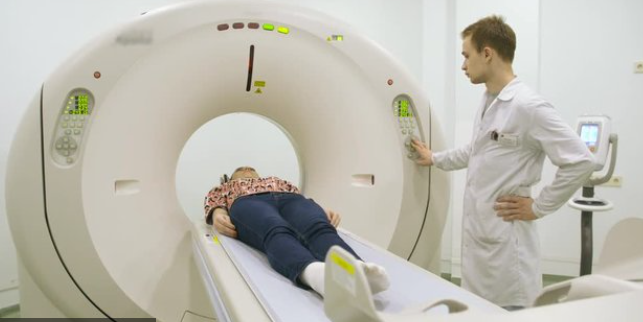
Magnetic Resonance Imaging (MRI) is a non-invasive diagnostic technique that uses magnetic fields and radio waves to produce detailed images of internal tissues. Unlike X-rays and CT scans, MRI does not involve ionizing radiation, which is a primary concern for cancer risk. However, repeated MRI scans, particularly those involving contrast agents, have prompted questions about potential long-term cancer risks.
1. MRI and Radiation Exposure
- No ionizing radiation: MRI does not emit ionizing radiation, eliminating the primary mechanism by which some imaging modalities increase cancer risk.
- Implication: Multiple MRI scans are generally considered safe from a radiation perspective, even when performed repeatedly.
2. Concerns Related to Contrast Agents
a) Gadolinium-Based Contrast Agents (GBCAs)
- Gadolinium retention: Repeated administration can lead to gadolinium deposits in the brain and tissues.
- Cancer risk: Current research has not established a direct link between gadolinium retention and increased cancer incidence.
- Safety updates: Regulatory agencies recommend cautious use, especially in vulnerable populations, but have not classified GBCAs as carcinogenic.
b) Potential Long-term Effects
- Ongoing research: Studies are examining whether gadolinium deposits could have long-term health implications, but no definitive evidence links these to cancer development.
3. Scientific Evidence on Cancer Risk
- Epidemiological data: Large-scale studies and long-term follow-ups have not shown an increased risk of cancer in individuals undergoing multiple MRI scans.
- Expert consensus: Major health organizations, including the FDA and WHO, consider MRI safe regarding cancer risk when used appropriately.
- Contrast use: When necessary, contrast-enhanced MRI provides valuable diagnostic information without significantly increasing cancer risk.
4. Practical Considerations
- Justification: MRI scans should be performed based on clinical necessity to avoid unnecessary exposure.
- Contrast administration: Use the lowest effective dose and consider non-contrast options when appropriate.
- Patient populations: Extra caution in patients with kidney impairment or other risk factors, but current evidence indicates no increased cancer risk.
5. Conclusion
Based on current scientific evidence, repeated MRI scans—whether with or without contrast agents—do not significantly increase the risk of developing cancer. MRI remains a safe, essential tool in medical diagnostics, with benefits far outweighing potential risks.
Also Read :