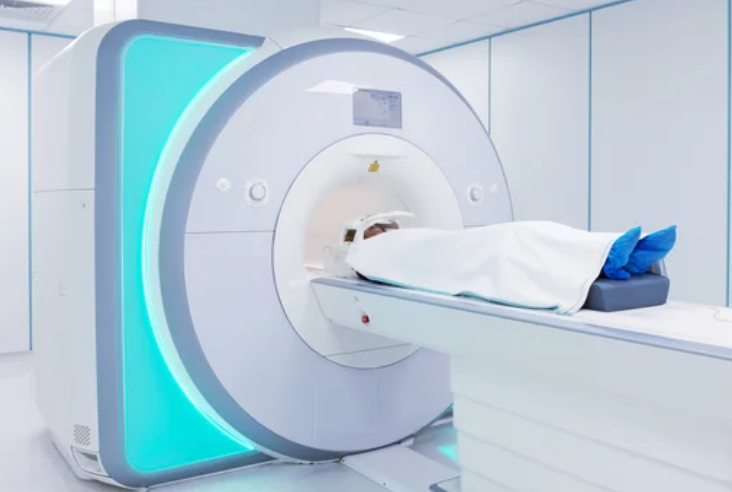
Magnetic Resonance Imaging (MRI) often utilizes contrast agents to improve image clarity and diagnostic accuracy. Among these, gadolinium-based contrast agents (GBCAs) are the most commonly used. Over recent years, concerns have arisen regarding the potential link between these agents and cancer risk, prompting extensive research and safety reviews.
1. What Are Gadolinium-Based Contrast Agents?
- Composition: GBCAs contain gadolinium, a rare earth metal, chelated with other molecules to reduce toxicity.
- Purpose: Enhances the contrast of blood vessels, tumors, and inflammation, aiding in better diagnosis.
- Types: Linear and macrocyclic agents, with macrocyclic generally considered more stable.
2. Known Safety Profile of Gadolinium Contrast Agents
- Immediate Risks: Allergic reactions are rare but possible.
- Common Side Effects: Mild, such as nausea or headache.
- Serious Risks: Nephrogenic systemic fibrosis (NSF) in patients with severe kidney dysfunction.
3. Concerns About Gadolinium and Cancer
a) Gadolinium Retention
- Research findings: Gadolinium deposits have been detected in the brain and other tissues even in patients with normal kidney function.
- Implications: The clinical significance of gadolinium retention remains uncertain, with no definitive evidence linking it to cancer or other long-term health issues.
b) Cancer Risk
- Current evidence: No conclusive data suggest that gadolinium-based contrast agents directly cause cancer.
- Epidemiological studies: Large-scale studies have not demonstrated an increased incidence of cancer in patients exposed to GBCAs compared to unexposed populations.
c) Regulatory and Expert Reviews
- Agency stances: The FDA and EMA have issued guidelines emphasizing cautious use, especially in vulnerable populations, but have not classified GBCAs as carcinogenic.
- Ongoing Monitoring: Continued surveillance and research to detect any long-term effects.
4. Ongoing Research and Future Directions
- Long-term studies: Researchers are investigating the potential long-term health consequences of gadolinium retention.
- Development of safer agents: Newer, more stable contrast agents with reduced retention risk are being developed.
- Patient management: Guidelines recommend limiting GBCA use to necessary cases and using the lowest effective dose.
5. Summary
- Current understanding: Gadolinium-based contrast agents are safe for most patients when used appropriately.
- Cancer risk: No definitive evidence links GBCAs to increased cancer risk.
- Precautions: Use should be judicious, especially in patients with kidney impairment or when multiple scans are planned.
- Future outlook: Ongoing research continues to monitor safety; advancements aim to minimize risks further.
Also Read :