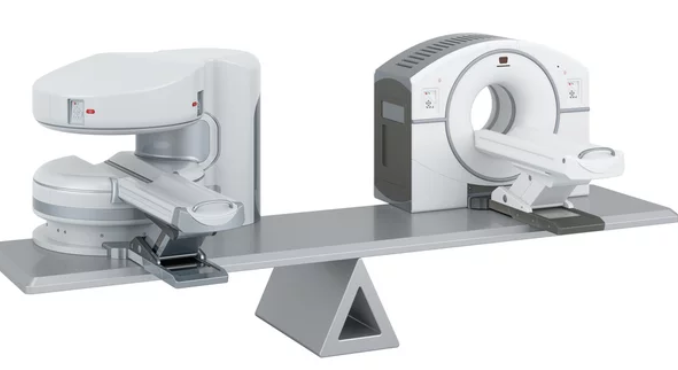
Magnetic Resonance Imaging (MRI) plays a crucial role in the detection, staging, and monitoring of various cancers. Its ability to produce detailed images without ionizing radiation makes it an attractive diagnostic tool. However, understanding the balance between its benefits and potential risks is essential for optimal patient care.
The Rewards of MRI in Cancer Diagnosis
1. High-Resolution Soft Tissue Imaging
- MRI offers superior contrast resolution, enabling precise visualization of soft tissues, tumors, and surrounding structures.
- Critical in detecting cancers of the brain, spinal cord, liver, prostate, and breast.
2. Non-Ionizing Radiation
- Unlike CT scans and X-rays, MRI does not expose patients to ionizing radiation, reducing long-term cancer risks.
3. Multiparametric Capabilities
- Advanced MRI techniques (e.g., diffusion-weighted imaging, dynamic contrast-enhanced MRI) improve tumor detection, characterization, and treatment planning.
4. Monitoring Treatment Response
- MRI enables clinicians to assess how well a tumor responds to therapy, guiding treatment adjustments.
The Risks and Limitations
1. Contrast Agent Concerns
- Gadolinium-based contrast agents (GBCAs) enhance image quality.
- Potential risks include allergic reactions and gadolinium retention in tissues, though no direct link to cancer has been established.
2. False Positives and Overdiagnosis
- High sensitivity may lead to detection of benign lesions or indolent tumors, resulting in unnecessary anxiety or interventions.
3. Cost and Accessibility
- MRI can be expensive and less accessible in some settings, potentially delaying diagnosis.
4. Contraindications and Safety
- Patients with certain implants or foreign bodies may be at risk; strict screening protocols are necessary.
Balancing Risks and Rewards
1. Justification and Appropriateness
- MRI should be used when the expected benefits outweigh potential risks.
- Clinicians must adhere to evidence-based guidelines to determine when MRI is indicated.
2. Patient Selection and Preparation
- Proper screening for contraindications reduces risks.
- Use of contrast agents only when necessary and within recommended doses.
3. Ongoing Research and Safety Monitoring
- Advances in MRI technology and contrast agents continue to improve safety profiles.
- Regular updates to guidelines ensure best practices.
Conclusion
MRI is a powerful, safe, and non-invasive tool that significantly enhances cancer detection and management. While there are some risks—primarily related to contrast agents and false positives—the overall benefits in early diagnosis, precise staging, and treatment monitoring generally outweigh these concerns. Thoughtful application of MRI, guided by clinical necessity, maximizes its value in cancer care.
Also Read :