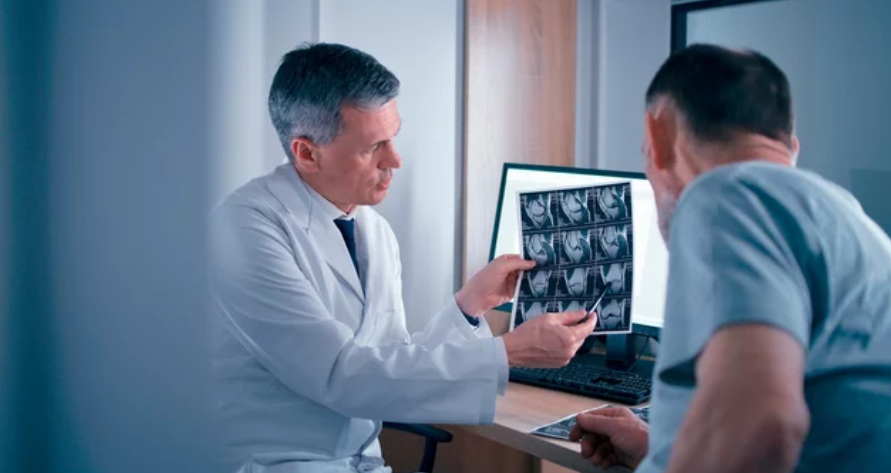
Magnetic Resonance Imaging (MRI) is one of the most widely used diagnostic tools in modern medicine. It plays a critical role in detecting diseases, guiding treatment decisions, and monitoring patient progress. Despite its clinical importance, many people continue to ask an important question: Do MRI scans cause DNA damage?
With growing public awareness around radiation exposure and long-term health risks, concerns about MRI safety have increased. This article provides a clear, evidence-based explanation of MRI scans and DNA damage, separating scientific facts from common myths while offering a balanced and SEO-optimized overview of current research.
Understanding How MRI Scans Work
MRI technology relies on strong magnetic fields, radiofrequency (RF) waves, and advanced computer algorithms to produce highly detailed images of the body’s internal structures. Unlike X-rays or CT scans, MRI does not use ionizing radiation.
Ionizing radiation—found in imaging techniques such as CT scans, PET scans, and traditional X-rays—is known to have enough energy to damage DNA by breaking chemical bonds. MRI operates differently, which is why it is often considered a safer imaging alternative.
What Causes DNA Damage in Medical Imaging?
DNA damage occurs when high-energy radiation alters the structure of DNA molecules. This can happen through:
- Direct breaks in DNA strands
- Indirect damage caused by free radicals
- Cellular stress from ionizing radiation exposure
Medical imaging methods that use ionizing radiation have been studied extensively for their potential to increase cancer risk over time. MRI, however, does not fall into this category.
Does MRI Use Ionizing Radiation?
No. MRI scans do not use ionizing radiation.
MRI uses non-ionizing electromagnetic fields, which do not carry enough energy to remove electrons from atoms or damage DNA directly. This fundamental difference is the primary reason MRI is widely regarded as safe, even for repeated use.
MRI Scans and DNA Damage: What Does the Research Say?
Current Scientific Evidence
The majority of peer-reviewed scientific studies conclude that MRI scans do not cause direct DNA damage. Large-scale research has consistently found no conclusive evidence linking MRI exposure to permanent genetic mutations or increased cancer risk.
Some laboratory studies have observed temporary cellular changes after MRI exposure, such as increased oxidative stress markers. However, these changes were short-lived, reversible, and not associated with permanent DNA damage.
Temporary Biological Effects vs. Genetic Damage
It is important to distinguish between temporary biological responses and actual DNA damage. The human body naturally experiences oxidative stress from everyday activities like exercise, air pollution, and metabolism. The mild effects observed in some MRI studies fall within this normal physiological range.
The Role of Magnetic Fields and Radiofrequency Waves
Static Magnetic Fields
MRI machines generate extremely strong static magnetic fields, sometimes thousands of times stronger than Earth’s natural magnetic field. Extensive research has shown that these static fields do not break chemical bonds or damage DNA.
Radiofrequency Energy
The RF waves used during MRI can slightly heat tissues, a phenomenon closely monitored and regulated by international safety standards. This controlled heating has not been shown to cause DNA strand breaks or genetic mutations.
MRI Contrast Agents and DNA Safety
Some MRI scans require the use of contrast agents, commonly gadolinium-based compounds, to improve image clarity.
Are Contrast Agents Linked to DNA Damage?
Current evidence indicates that MRI contrast agents do not directly damage DNA. Regulatory agencies continue to evaluate their long-term safety, particularly regarding gadolinium retention in the body, but no credible data links contrast use to genetic damage.
For most patients, the benefits of enhanced diagnostic accuracy far outweigh any potential risks associated with contrast agents.
MRI Safety Compared to Other Imaging Modalities
MRI vs. CT Scans
CT scans use ionizing radiation, which has been associated with a small but measurable increase in lifetime cancer risk, especially with repeated exposure. MRI does not carry this risk, making it preferable for long-term monitoring.
MRI vs. X-Rays
While X-rays are quick and useful, they also rely on ionizing radiation. MRI offers superior soft-tissue imaging without radiation exposure, which is why it is often chosen for neurological, musculoskeletal, and oncological imaging.
MRI Use in Vulnerable Populations
Children and Adolescents
MRI is commonly used in pediatric care because it avoids radiation exposure during critical stages of growth and development. Long-term studies have not shown increased genetic risks in children who undergo MRI scans.
Pregnant Patients
MRI is generally considered safe during pregnancy when medically necessary, especially after the first trimester. There is no scientific evidence linking prenatal MRI exposure to DNA damage or birth defects.
Addressing Common Myths About MRI and DNA Damage
Myth 1: Strong Magnetic Fields Alter Human DNA
There is no scientific evidence supporting this claim. Magnetic fields used in MRI cannot alter genetic material.
Myth 2: Frequent MRI Scans Accumulate Genetic Damage
MRI exposure does not accumulate in the body like radiation. Repeated scans do not increase DNA damage risk.
Myth 3: MRI Is Unsafe for Long-Term Monitoring
MRI is one of the safest imaging options available for long-term disease monitoring due to its non-ionizing nature.
Regulatory Standards and MRI Safety Guidelines
MRI machines are subject to strict international safety regulations that limit magnetic field strength, RF energy exposure, and scan duration. These guidelines are designed to protect patients and healthcare professionals alike.
Continuous monitoring and technological advancements ensure MRI systems operate within well-established safety thresholds.
Ongoing Research and Future Perspectives
Medical researchers continue to study the biological effects of MRI to ensure patient safety as technology evolves. New developments, including ultra-high-field MRI systems, are carefully evaluated before widespread clinical adoption.
So far, ongoing research supports the conclusion that MRI remains a safe and reliable diagnostic tool with no proven link to DNA damage.
Conclusion: Is There Evidence That MRI Scans Damage DNA?
Based on decades of research and clinical experience, there is no credible scientific evidence that MRI scans cause DNA damage. MRI does not use ionizing radiation, does not break chemical bonds, and has not been shown to increase genetic mutation risk.
While ongoing research continues to refine safety standards, MRI remains one of the safest imaging technologies in modern medicine. For patients and healthcare providers alike, MRI offers a powerful diagnostic tool without the genetic risks associated with radiation-based imaging.
Also Read :