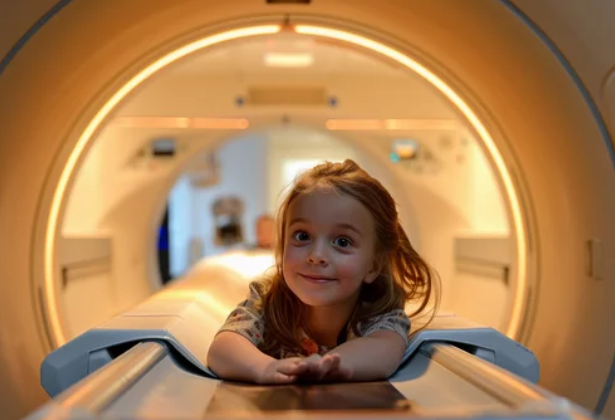
Magnetic Resonance Imaging (MRI) has become one of the most trusted and indispensable technologies in modern medicine. From diagnosing complex neurological disorders to monitoring cancer treatment and evaluating musculoskeletal injuries, MRI plays a critical role in healthcare systems around the world. Its ability to produce highly detailed images without using ionizing radiation has positioned it as a preferred imaging method for patients of all ages.
At the same time, because MRI relies on powerful magnetic fields and radiofrequency energy, it continues to be the subject of rigorous and ongoing safety research. This continuous scientific evaluation ensures that MRI technology remains not only effective, but also safe as it evolves. This article explores MRI technology as a proven diagnostic tool, while examining why ongoing safety research remains essential.
The Evolution of MRI Technology
MRI technology has advanced significantly since its clinical introduction in the late 20th century. Early MRI systems were slower, noisier, and less comfortable for patients. Today’s scanners offer faster imaging, higher resolution, and improved patient experience.
Key advancements include:
- Higher magnetic field strengths for better image clarity
- Faster scan times using advanced software algorithms
- Improved coil design for targeted imaging
- Integration of artificial intelligence for image enhancement
Despite these technological leaps, the core principle of MRI has remained the same: producing detailed images using magnetic fields and radiofrequency signals rather than ionizing radiation.
Why MRI Is Considered a Proven Medical Tool
Exceptional Image Quality
MRI provides unmatched soft tissue contrast, making it ideal for imaging the brain, spinal cord, joints, heart, and internal organs. This level of detail allows clinicians to detect diseases earlier and plan treatments more accurately.
Wide Clinical Applications
MRI is used across numerous medical specialties, including:
- Oncology
- Neurology
- Cardiology
- Orthopedics
- Pediatrics
Its versatility and reliability have been validated by decades of clinical use and millions of successful scans worldwide.
Non-Ionizing Imaging Advantage
One of MRI’s most important strengths is that it does not use ionizing radiation. Unlike X-rays or CT scans, MRI does not damage DNA or increase cumulative radiation exposure, making it suitable for repeated and long-term imaging.
Understanding MRI Exposure: What Makes It Different?
MRI exposure involves three main components:
- Static magnetic fields that align hydrogen atoms
- Gradient magnetic fields that encode spatial information
- Radiofrequency (RF) energy that generates imaging signals
Each of these components has been extensively studied to assess their impact on human health.
What Decades of Safety Research Have Established
No Link Between MRI and Cancer
One of the most important conclusions from MRI safety research is the absence of evidence linking MRI exposure to cancer. Unlike ionizing radiation, MRI’s magnetic fields and RF energy do not have enough energy to damage DNA or cause genetic mutations.
Large population studies, long-term patient follow-ups, and occupational exposure research all support this conclusion.
Magnetic Fields and Human Biology
Static Magnetic Fields
Clinical MRI scanners typically operate at 1.5T or 3T. Research has consistently shown that exposure to static magnetic fields at these levels does not cause:
- Cellular damage
- DNA strand breaks
- Long-term organ dysfunction
Any temporary sensations, such as dizziness near the scanner, are short-lived and harmless.
Gradient Magnetic Fields
Gradient fields rapidly switch on and off during scanning. At high levels, they may cause mild nerve stimulation, experienced as tingling sensations. Safety research confirms that:
- These effects are temporary
- No permanent nerve damage occurs
- Built-in limits prevent unsafe exposure
Radiofrequency Energy and Tissue Heating
RF energy can cause minimal tissue heating during MRI scans. This effect is carefully monitored using Specific Absorption Rate (SAR) limits.
Safety research over the last two decades shows:
- Temperature changes remain within safe physiological limits
- No association with cancer or genetic damage
- Continuous monitoring ensures patient protection
MRI Contrast Agents: Ongoing Evaluation
Contrast agents are sometimes used to enhance image quality.
What Research Shows
Extensive research has found:
- No evidence linking MRI contrast agents to cancer
- No proven long-term health effects in most patients
- Clear clinical benefits when used appropriately
Ongoing research has led to improved guidelines, ensuring contrast agents are used only when necessary.
Why Ongoing MRI Safety Research Is Essential
Even though MRI has a strong safety record, continuous research is essential for several reasons:
- Introduction of higher-field MRI systems
- Development of faster imaging techniques
- Increased use in vulnerable populations
- Integration of AI and automation
Ongoing research ensures that every technological advancement is matched with updated safety standards.
MRI Safety in Vulnerable Populations
Children and Adolescents
Pediatric MRI safety has been a major focus of research. Findings consistently show:
- No increased cancer risk
- No developmental or cognitive harm
- MRI is safer than radiation-based imaging for children
Pregnancy and MRI Use
MRI is considered safe during pregnancy when medically necessary. Studies show no increased risk of birth defects, DNA damage, or childhood cancer associated with prenatal MRI exposure.
Occupational Safety and MRI Professionals
MRI technologists and radiologists experience repeated exposure to MRI environments. Long-term studies demonstrate:
- No increased cancer rates
- No neurological or reproductive health risks
- No cumulative adverse effects
These findings reinforce the safety of MRI even with frequent exposure.
Regulatory Standards Shaped by Research
Ongoing safety research directly influences international MRI safety standards. These regulations govern:
- Maximum magnetic field strengths
- RF exposure limits
- Gradient field thresholds
- Patient screening protocols
As new evidence emerges, standards are updated to reflect best practices.
The Role of Artificial Intelligence in MRI Safety
AI is increasingly being used to improve MRI safety by:
- Reducing scan times
- Lowering RF exposure
- Improving image quality with less energy
- Enhancing detection of safety risks
These innovations further strengthen MRI’s safety profile.
Common Myths Addressed by Research
Myth: MRI Exposure Accumulates Over Time
MRI exposure does not accumulate like radiation.
Myth: Strong Magnetic Fields Damage DNA
Magnetic fields do not break chemical bonds or alter DNA.
Myth: MRI Is Unsafe for Repeated Use
MRI is one of the safest imaging options for repeated examinations.
Future Directions in MRI Safety Research
As MRI technology continues to evolve, future research will focus on:
- Ultra-high-field MRI systems
- Personalized safety thresholds
- Enhanced patient comfort
- Further reduction of scan time and energy use
These efforts ensure that MRI remains both innovative and safe.
Conclusion: A Proven Technology Supported by Continuous Research
MRI technology stands as a proven, reliable, and indispensable tool in modern medicine. Its ability to deliver detailed diagnostic information without ionizing radiation has been validated through decades of clinical use and scientific research.
At the same time, ongoing safety research plays a vital role in maintaining and enhancing MRI’s safety profile. By continuously evaluating biological effects, refining standards, and adapting to technological advancements, the medical community ensures that MRI remains both effective and safe for future generations.
MRI’s success lies not only in its technological power, but also in the commitment to continuous scientific oversight—making it one of the most trusted diagnostic tools in healthcare today.
Also Read :