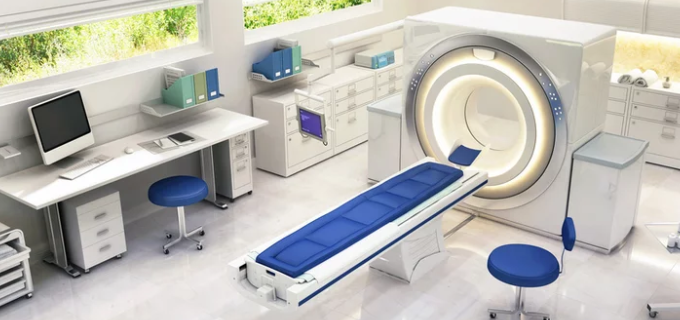
Magnetic Resonance Imaging (MRI) has become an essential part of modern healthcare. It is used every day to diagnose diseases, guide treatments, and monitor long-term health conditions. Despite its widespread use and proven benefits, many people still ask important questions about MRI exposure and its effects on human health.
Is MRI truly safe? Can repeated scans affect the body? How does MRI exposure compare to other imaging technologies? This article provides a clear, science-based explanation of MRI exposure and human health, helping patients and healthcare professionals understand the real risks, benefits, and long-term safety of MRI.
What Is MRI and Why Is It Widely Used?
MRI is a non-invasive medical imaging technique that creates detailed images of organs, tissues, and internal structures. It is especially valuable for examining the brain, spinal cord, joints, heart, and soft tissues.
MRI is widely used because it offers:
- Exceptional image clarity
- Superior soft tissue contrast
- No use of ionizing radiation
- Safe imaging for repeated and long-term use
These advantages make MRI a preferred choice for diagnosing and monitoring many medical conditions.
Understanding MRI Exposure: What Does the Body Experience?
MRI exposure involves three main components:
- Static magnetic fields
- Gradient magnetic fields
- Radiofrequency (RF) energy
Each of these plays a role in image formation and has been extensively studied for safety.
Static Magnetic Fields and Human Health
How Static Magnetic Fields Work
The static magnetic field is always present when an MRI scanner is operating. This powerful field aligns hydrogen atoms in the body, which are abundant due to water content.
Health Effects of Static Magnetic Fields
Research over several decades has shown that static magnetic fields used in clinical MRI:
- Do not damage cells or tissues
- Do not alter DNA structure
- Do not increase cancer risk
Any sensations occasionally reported, such as mild dizziness, are temporary and harmless, resolving immediately after leaving the scanner environment.
Gradient Magnetic Fields: Temporary and Controlled Exposure
Purpose of Gradient Fields
Gradient magnetic fields rapidly switch on and off during an MRI scan. They allow the system to locate signals and create precise images.
Human Response to Gradient Fields
In some cases, strong gradient fields may cause mild nerve stimulation, felt as tingling sensations. Extensive research has confirmed that:
- These effects are temporary
- There is no lasting nerve damage
- Modern MRI systems limit exposure well below harmful levels
Gradient field exposure is carefully regulated to protect patient health.
Radiofrequency Energy and Tissue Interaction
What Is RF Energy in MRI?
Radiofrequency energy is used to temporarily disturb the alignment of hydrogen atoms. When the RF signal stops, atoms return to their original position and release signals used to create images.
Does RF Energy Harm the Body?
RF energy used in MRI is non-ionizing, meaning it does not have enough energy to damage DNA or cells. Safety research has shown that:
- RF exposure may cause minimal tissue heating
- Heating remains well within safe physiological limits
- No link exists between RF exposure and cancer or genetic damage
International safety standards strictly control RF exposure during MRI scans.
MRI Exposure vs. Ionizing Radiation
Why Ionizing Radiation Raises Health Concerns
Ionizing radiation can damage DNA and increase cancer risk. It is used in imaging methods such as:
- X-rays
- CT scans
- PET scans
Why MRI Is Different
MRI does not use ionizing radiation. This is the most important reason MRI is considered safer for repeated imaging and long-term monitoring.
MRI exposure does not accumulate in the body and does not increase lifetime cancer risk.
MRI Exposure and DNA: What Research Shows
One of the most common concerns is whether MRI exposure can damage DNA.
Key Research Findings
Over the past two decades, scientific studies have consistently found:
- No evidence of DNA strand breaks from MRI
- No permanent genetic mutations linked to MRI exposure
- No increased cancer incidence in patients or MRI workers
Any temporary cellular changes observed in laboratory studies were reversible and within normal biological ranges.
MRI Safety for Repeated and Long-Term Use
Chronic Disease Monitoring
Patients with chronic conditions such as cancer, neurological disorders, or heart disease often require frequent imaging. MRI is ideal because it does not expose patients to cumulative radiation risk.
Cancer Survivorship and Follow-Up
MRI plays a critical role in long-term cancer surveillance, allowing repeated imaging without increasing the risk of secondary cancers.
MRI Exposure in Children and Adolescents
Children are more sensitive to radiation exposure than adults. MRI is often preferred in pediatric care because:
- It eliminates radiation-related cancer risk
- It is safe for repeated scans
- No developmental or cognitive harm has been linked to MRI exposure
Long-term studies have shown no increased health risks in children who undergo MRI scans.
MRI Use During Pregnancy
MRI is generally considered safe during pregnancy when medically necessary.
Research Findings on Pregnancy and MRI
Studies have found:
- No evidence of fetal DNA damage
- No increased risk of birth defects
- No association with childhood cancer
Doctors may avoid contrast agents unless needed, but the MRI scan itself does not pose a known health risk to the fetus.
MRI Contrast Agents and Human Health
Some MRI scans require contrast agents to enhance image clarity.
Are Contrast Agents Harmful?
Extensive research has shown that:
- MRI contrast agents do not emit radiation
- There is no proven link between contrast agents and cancer
- Retention of contrast material is monitored, with no confirmed long-term harm
Clinical guidelines ensure contrast agents are used only when the diagnostic benefit outweighs any potential risk.
Occupational MRI Exposure and Healthcare Workers
MRI technologists and radiologists are exposed to MRI environments regularly. Long-term studies show:
- No increased cancer rates among MRI staff
- No neurological or reproductive health risks
- No cumulative adverse effects
These findings support the safety of MRI exposure even in occupational settings.
Psychological and Physical Comfort During MRI
While MRI exposure itself is safe, some patients experience discomfort due to:
- Loud scanner noise
- Enclosed spaces
- Long scan durations
Modern MRI systems address these issues through quieter technology, faster scans, and open MRI designs, improving patient comfort without compromising safety.
Common Myths About MRI Exposure and Health
Myth 1: MRI Exposure Builds Up Over Time
MRI exposure does not accumulate in the body.
Myth 2: Strong Magnetic Fields Cause Long-Term Damage
Magnetic fields do not damage cells or DNA.
Myth 3: MRI Increases Cancer Risk
There is no scientific evidence linking MRI exposure to cancer.
Regulatory Standards Protecting Human Health
MRI systems operate under strict international safety regulations that control:
- Magnetic field strength
- RF energy exposure
- Gradient field limits
- Patient screening and monitoring
These standards are continuously updated based on the latest research findings.
The Future of MRI Safety and Human Health
Ongoing research continues to refine MRI technology, focusing on:
- Lower energy use
- Faster scan times
- Enhanced image quality
- Improved patient experience
Artificial intelligence is also helping reduce exposure time while maintaining diagnostic accuracy, further strengthening MRI’s safety profile.
Conclusion: Understanding MRI Exposure and Human Health
Understanding MRI exposure and human health requires separating scientific facts from misconceptions. Decades of research clearly show that MRI is a safe imaging technology that does not use ionizing radiation, does not damage DNA, and does not increase cancer risk.
MRI’s excellent safety profile makes it suitable for children, pregnant patients, cancer survivors, and individuals requiring repeated imaging. As technology continues to advance, MRI remains one of the most reliable and patient-friendly diagnostic tools in modern medicine.
Also Read :