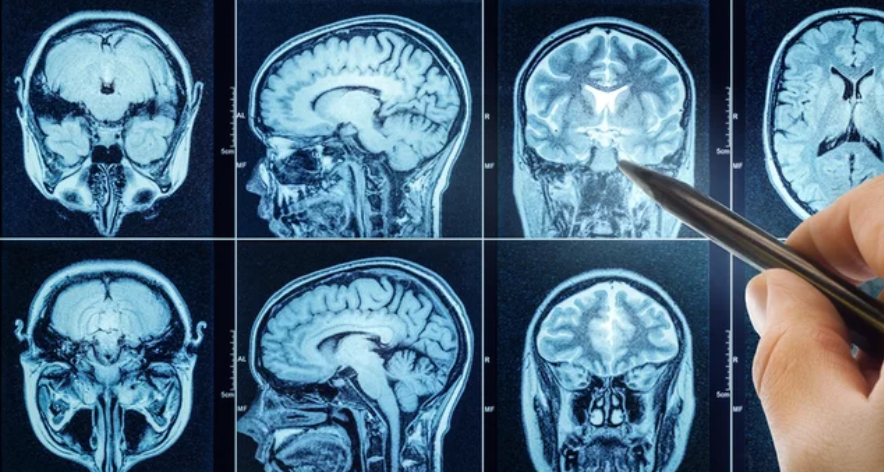
Magnetic Resonance Imaging (MRI) is one of the most widely used diagnostic tools in modern medicine. Its ability to produce high-resolution images of soft tissues without exposing patients to ionizing radiation has made it the imaging modality of choice in countless clinical settings. Despite its proven utility, many patients and healthcare professionals still ask: Does MRI increase the risk of cancer?
Over the past two decades, numerous large-scale studies have addressed this question, analyzing data from millions of scans and thousands of patients worldwide. This article reviews what these studies reveal about MRI and cancer, explaining the science in clear, evidence-based terms.
Understanding MRI and Cancer Risk
Before reviewing the studies, it is essential to understand how MRI works and why cancer risk is a concern in medical imaging.
How MRI Works
MRI uses:
- Strong static magnetic fields to align hydrogen atoms in the body
- Radiofrequency (RF) waves to produce signals
- Gradient magnetic fields to create spatial information
Crucially, MRI does not use ionizing radiation, the type of radiation known to damage DNA and increase cancer risk.
Why Cancer Risk Is Raised With Imaging
Cancer risk in imaging is primarily associated with ionizing radiation, such as that used in:
- X-rays
- CT scans
- Nuclear medicine imaging
Unlike ionizing radiation, MRI’s magnetic fields and RF energy are non-ionizing and do not break chemical bonds or damage DNA.
Large-Scale Population Studies
Longitudinal Cohort Studies
Several large cohort studies have examined long-term health outcomes of patients exposed to MRI, including repeated scans:
- Millions of patient scans analyzed worldwide
- No increase in cancer incidence linked to MRI exposure
- No dose-response relationship, since MRI does not use ionizing radiation
These studies provide strong epidemiological evidence that MRI is safe from a cancer perspective.
Healthcare Worker Studies
Healthcare professionals, including MRI technologists and radiologists, are repeatedly exposed to strong magnetic fields during their careers. Large occupational studies reveal:
- No increased cancer rates among MRI staff
- No evidence of neurological, reproductive, or systemic health issues
- Consistent safety even with decades of occupational exposure
These findings reinforce MRI’s safety for both patients and medical personnel.
Pediatric MRI Studies
Children are more sensitive to radiation, which is why MRI is preferred over CT in pediatrics. Large pediatric studies have confirmed:
- No long-term increase in cancer risk from MRI
- Safe use for repeated imaging over many years
- No developmental or cognitive harm associated with MRI exposure
This makes MRI the recommended imaging method for children whenever clinically appropriate.
MRI Contrast Agents and Cancer
Some MRI scans require gadolinium-based contrast agents. Large-scale safety studies show:
- No proven link between contrast agents and cancer
- Retention of gadolinium in tissues occurs but has not been shown to cause disease
- Strict guidelines ensure contrast is used only when medically necessary
Contrast-enhanced MRI remains safe for both adults and children, according to these studies.
Meta-Analyses and Systematic Reviews
Meta-analyses compile data from multiple studies to assess overall risk. Reviews covering tens of thousands of MRI scans have consistently concluded:
- MRI does not increase cancer risk
- No DNA damage attributable to MRI has been identified
- Non-ionizing radiation makes MRI inherently safer than CT and X-ray imaging
These comprehensive reviews strengthen the conclusion that MRI is safe for repeated use.
Key Takeaways from Large Studies
- MRI is non-ionizing: It cannot break DNA strands or cause mutations.
- No link to cancer: Large population and occupational studies confirm no increased cancer risk.
- Safe for children: Pediatric studies show MRI is safer than ionizing imaging modalities.
- Contrast agents are safe: No evidence links gadolinium-based agents to cancer.
- Repeated use is safe: Patients requiring multiple MRI scans face no cumulative cancer risk.
Why Large Studies Are Important
Large studies provide:
- Statistical power to detect even rare risks
- Diverse patient populations to ensure generalizability
- Long-term follow-up, capturing delayed effects if any existed
The consistency of findings across multiple large studies worldwide provides strong reassurance for both patients and clinicians.
Addressing Common Myths
Myth 1: MRI Accumulates Radiation in the Body
MRI uses no ionizing radiation; exposure does not accumulate.
Myth 2: Strong Magnetic Fields Cause Cancer
Magnetic fields do not damage DNA or trigger mutations.
Myth 3: MRI Contrast Agents Cause Cancer
Large studies show no link between contrast agents and cancer when used according to guidelines.
Ongoing Research and Safety Monitoring
Even though MRI has an excellent safety record, research continues to:
- Study ultra-high-field MRI systems (7T and above)
- Refine pediatric imaging protocols
- Monitor long-term effects of repeated scans
- Improve safety of new contrast agents
Continuous research ensures that MRI remains a safe and evolving diagnostic tool.
Conclusion: What Large Studies Reveal About MRI and Cancer
The collective evidence from large-scale studies is clear:
- MRI does not increase cancer risk
- It is safe for repeated use in adults and children
- Contrast-enhanced MRI remains safe under clinical guidelines
- Long-term follow-up studies and occupational research confirm its safety
For patients, clinicians, and healthcare systems, these findings provide confidence that MRI is both an effective and safe diagnostic technology. Its non-ionizing nature, combined with decades of large-scale research, distinguishes MRI as one of the safest imaging modalities available today.
Also Read :