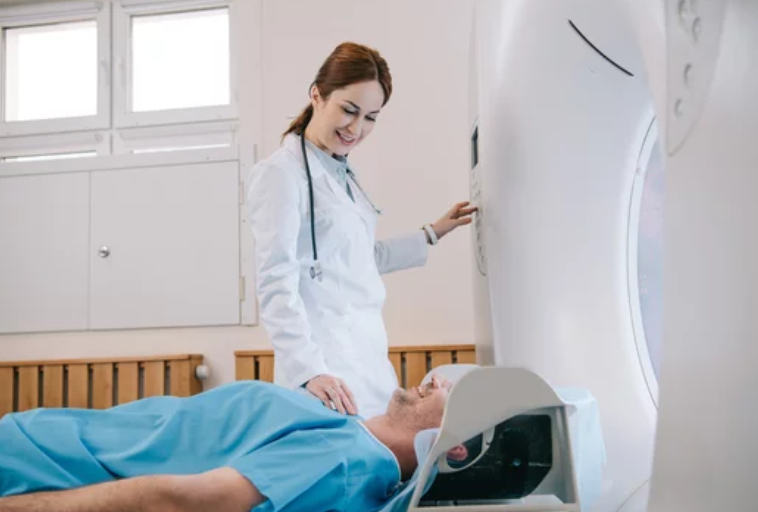
Magnetic Resonance Imaging (MRI) has transformed medical diagnostics by enabling clinicians to visualize internal organs, soft tissues, and complex structures with exceptional clarity. From neurological disorders and musculoskeletal injuries to cardiovascular disease and cancer monitoring, MRI plays a central role in modern healthcare. Despite its clinical importance and strong safety profile, many patients still wonder about a critical issue: Are there any long-term risks associated with MRI scans?
This comprehensive, SEO-focused article examines MRI technology, exposure levels, scientific evidence on long-term risks, and how MRI compares with other diagnostic imaging tools. By reviewing decades of research and real-world clinical data, this guide provides a clear, evidence-based assessment of MRI safety.
Understanding MRI in Medical Diagnostics
How MRI Technology Works
MRI uses a combination of:
- Strong static magnetic fields
- Rapidly changing gradient magnetic fields
- Radiofrequency (RF) energy
These components work together to align hydrogen atoms in the body and capture signals as they respond to RF pulses. Advanced computer systems then convert these signals into detailed images of internal anatomy.
Unlike X-rays and CT scans, MRI does not use ionizing radiation, which is the primary source of cancer risk in many imaging techniques.
Why MRI Is Widely Used in Diagnostics
MRI is favored in medical diagnostics because it offers:
- Superior soft tissue contrast
- High-resolution imaging without invasive procedures
- Precise disease detection and monitoring
- Safe repeat imaging for chronic conditions
These advantages make MRI a preferred diagnostic tool in neurology, orthopedics, cardiology, oncology, and pediatrics.
MRI Exposure Levels: What Patients Are Exposed To
Magnetic Field Strength Explained
Clinical MRI scanners typically operate at:
- 1.5 Tesla (T): Standard diagnostic imaging
- 3 Tesla (T): Advanced imaging with higher detail
These magnetic field strengths are significantly stronger than Earth’s magnetic field but are carefully regulated and extensively studied for safety.
Radiofrequency Energy and Specific Absorption Rate (SAR)
RF energy used in MRI can cause minimal tissue heating. This is measured by the Specific Absorption Rate (SAR), which reflects how much RF energy the body absorbs during a scan.
Key safety features include:
- Strict SAR limits set by international guidelines
- Continuous real-time monitoring by MRI systems
- Automatic adjustments to prevent overheating
Scientific studies confirm that SAR levels in clinical MRI are well below thresholds associated with tissue damage.
Long-Term Risks of MRI: What Does the Evidence Say?
MRI and Cancer Risk
One of the most common concerns is whether MRI increases cancer risk over time. The scientific consensus is clear:
- MRI has not been linked to cancer development
- No increase in tumor incidence has been observed in patients undergoing repeated MRIs
- MRI does not damage DNA or cause genetic mutations
Because MRI uses non-ionizing energy, it does not initiate the biological processes associated with radiation-induced cancer.
Long-Term Neurological and Cognitive Effects
Extensive research has evaluated whether MRI exposure affects brain function or cognitive health. Findings consistently show:
- No evidence of long-term neurological impairment
- No association with memory loss or cognitive decline
- No increased risk of neurodegenerative disorders
This includes studies involving patients who underwent multiple brain MRIs over many years.
Cumulative Effects of Repeated MRI Scans
Patients with chronic illnesses often require repeated imaging. Long-term observational studies demonstrate that:
- MRI exposure does not accumulate in a harmful way
- There are no dose-related long-term effects
- Repeat MRI scans remain safe over time
This makes MRI especially suitable for long-term disease monitoring.
MRI Contrast Agents and Long-Term Safety
Purpose of MRI Contrast Media
Contrast agents, most commonly gadolinium-based contrast agents (GBCAs), are used to enhance image clarity. They help identify tumors, inflammation, blood vessel abnormalities, and organ dysfunction.
Gadolinium Retention: Should Patients Be Concerned?
Research has shown that small amounts of gadolinium can remain in the body after contrast-enhanced MRI. However:
- No proven long-term health effects have been linked to gadolinium retention
- No association with cancer or organ damage has been established
- Patients with normal kidney function eliminate most contrast quickly
Medical guidelines ensure contrast is used only when the diagnostic benefits outweigh potential risks.
Contrast Safety in Long-Term Diagnostic Care
For patients requiring ongoing imaging, clinicians may:
- Limit contrast use when not essential
- Choose newer, more stable contrast agents
- Monitor kidney function when appropriate
These practices further reduce any potential long-term concerns.
MRI in Pediatric and Adolescent Diagnostics
Long-Term Safety of MRI in Children
MRI is commonly used in children because it avoids radiation exposure during critical developmental stages. Research shows:
- No increased cancer risk in children exposed to MRI
- No negative effects on growth or cognitive development
- Excellent safety even with repeated scans
Pediatric imaging guidelines often recommend MRI as the first-choice diagnostic tool when feasible.
MRI During Pregnancy: Long-Term Considerations
Diagnostic MRI in Pregnant Patients
MRI may be used during pregnancy when medically necessary. Studies indicate:
- No evidence of harm to the fetus
- No long-term developmental or health risks
- No increased cancer risk later in life
Contrast agents are typically avoided unless absolutely required, further enhancing safety.
High-Field MRI and Emerging Technologies
Are Higher-Strength MRI Scanners Riskier?
High-field MRI systems, such as 3T scanners, offer improved image quality and faster scans. Current evidence shows:
- No increase in long-term health risks
- Exposure remains within established safety limits
- Careful regulation of RF energy and scan duration
Emerging MRI technologies continue to focus on improving diagnostic accuracy while maintaining safety.
Comparing MRI With Other Diagnostic Imaging Methods
MRI vs. CT Scans and X-Rays
| Feature | MRI | CT Scan | X-Ray |
|---|---|---|---|
| Ionizing radiation | No | Yes | Yes |
| Cancer risk | None | Low but cumulative | Low |
| Soft tissue detail | Excellent | Moderate | Limited |
| Long-term safety | Very high | Dose-dependent | Dose-dependent |
This comparison highlights why MRI is often preferred for repeated or long-term diagnostic imaging.
Psychological and Physical Effects of MRI
Short-Term Sensations During MRI
Some patients experience:
- Loud noises
- Mild warmth
- Temporary discomfort from remaining still
These effects are short-lived and unrelated to long-term health risks.
Anxiety and Claustrophobia
Emotional discomfort does not reflect physical harm but can impact patient experience. Modern solutions include:
- Open MRI scanners
- Shorter scan protocols
- Improved patient communication
These advances enhance comfort without increasing exposure.
Common Myths About MRI Long-Term Risks
Myth 1: MRI Causes Long-Term Health Problems
Fact: Decades of research show no evidence of long-term harm.
Myth 2: Strong Magnetic Fields Are Dangerous Over Time
Fact: MRI magnetic fields are biologically safe and tightly regulated.
Myth 3: Multiple MRIs Should Be Avoided
Fact: Repeated MRI scans do not increase long-term health risks.
Why MRI Remains a Trusted Diagnostic Tool
MRI continues to be a cornerstone of medical diagnostics because it offers:
- Outstanding diagnostic accuracy
- A radiation-free imaging approach
- Strong long-term safety data
- Continuous technological improvement
Its ability to deliver detailed insights without compromising long-term health makes it invaluable in modern medicine.
Conclusion: Assessing the Long-Term Risks of MRI
After decades of scientific investigation and widespread clinical use, the conclusion is definitive: MRI poses no proven long-term health risks when used according to established medical guidelines. The absence of ionizing radiation, strict exposure controls, and extensive research support MRI’s reputation as one of the safest diagnostic imaging technologies available.
For patients requiring accurate diagnosis, disease monitoring, or long-term follow-up, MRI offers a powerful combination of precision and safety. Understanding the science behind MRI can help patients feel confident and informed when undergoing this essential medical procedure.
Also Read :