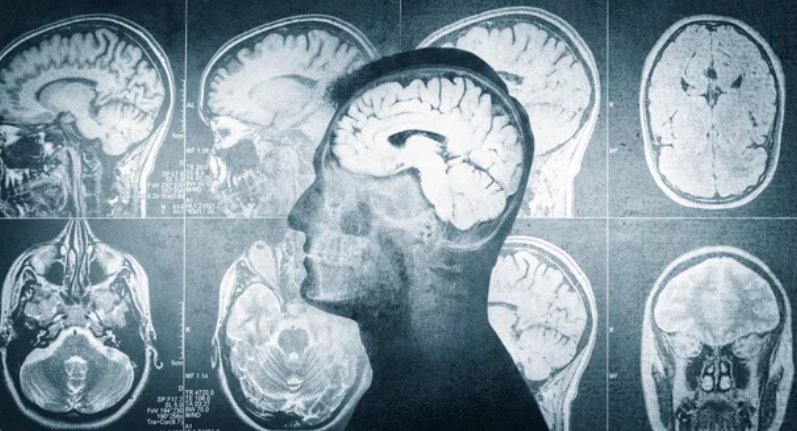
Medical imaging plays a critical role in modern healthcare, enabling doctors to diagnose diseases, guide treatments, and monitor patient progress with precision. Among the many imaging technologies available, Magnetic Resonance Imaging (MRI) stands apart from radiation-based methods such as X-rays, CT scans, and nuclear imaging. Patients often hear these tests grouped together, which can create confusion—especially regarding safety and long-term health risks.
This in-depth, SEO-optimized article explains why MRI is fundamentally different from radiation imaging. It explores how each technology works, how they affect the body, and why MRI is often considered a safer option for many patients, particularly those requiring repeated imaging.
Understanding Medical Imaging Technologies
What Is Radiation Imaging?
Radiation imaging refers to diagnostic techniques that use ionizing radiation to create images of the body. Common examples include:
- X-rays
- Computed Tomography (CT) scans
- Fluoroscopy
- Nuclear medicine scans (such as PET scans)
Ionizing radiation has enough energy to remove electrons from atoms. While this property allows radiation to penetrate the body and create images, it can also damage DNA if exposure is high or repeated.
What Is Magnetic Resonance Imaging (MRI)?
MRI is a non-invasive imaging method that uses:
- Strong magnetic fields
- Radiofrequency (RF) waves
- Advanced computer processing
MRI does not use ionizing radiation. Instead, it relies on the natural magnetic properties of hydrogen atoms in the body to generate detailed images, particularly of soft tissues.
This fundamental difference is what sets MRI apart from radiation-based imaging techniques.
The Core Difference: Ionizing vs. Non-Ionizing Energy
Ionizing Radiation and Its Biological Effects
Ionizing radiation can:
- Damage DNA
- Cause cellular mutations
- Increase cancer risk at high or cumulative doses
For this reason, radiation imaging is carefully regulated, and clinicians aim to keep exposure “as low as reasonably achievable” (ALARA), especially in children and patients needing frequent scans.
MRI Uses Non-Ionizing Energy
MRI operates using non-ionizing electromagnetic energy. This means:
- It does not break chemical bonds
- It does not damage DNA
- It does not initiate cancer-causing cellular changes
As a result, MRI does not carry the same biological risks associated with radiation exposure.
How MRI Produces Images Without Radiation
The Role of Magnetic Fields
MRI scanners generate a powerful static magnetic field that aligns hydrogen atoms in the body. These atoms are abundant because the human body is largely made of water.
Radiofrequency Pulses and Signal Detection
RF pulses temporarily disturb the aligned hydrogen atoms. When the pulses stop, the atoms return to their original alignment and emit signals. These signals are captured and processed to form detailed images.
At no point does MRI expose the body to ionizing radiation, which is why it is considered biologically safer.
Image Quality: MRI vs. Radiation Imaging
Superior Soft Tissue Contrast
MRI excels at imaging soft tissues such as:
- Brain and spinal cord
- Muscles and ligaments
- Organs like the liver and prostate
- Tumors and inflammation
Radiation imaging, particularly X-rays, is better suited for imaging dense structures like bones.
Functional and Advanced Imaging Capabilities
MRI can also provide functional information, such as:
- Blood flow (MR angiography)
- Brain activity (functional MRI)
- Tissue composition (diffusion MRI)
These advanced capabilities are not possible with standard radiation imaging methods.
Safety Differences Between MRI and Radiation Imaging
Long-Term Health Risks
One of the most important distinctions is long-term safety:
| Feature | MRI | Radiation Imaging |
|---|---|---|
| Ionizing radiation | No | Yes |
| DNA damage risk | None identified | Possible |
| Cancer risk | Not linked | Low but cumulative |
| Repeat imaging | Safe | Limited |
Because MRI does not involve radiation, it is often preferred for patients who need multiple scans over time.
Use in Children and Young Adults
Children are more sensitive to radiation because their cells are still dividing and developing. MRI is frequently chosen in pediatric care because it avoids radiation exposure entirely, making it safer for long-term monitoring.
MRI and Cancer Care: A Key Advantage
MRI is widely used in oncology because:
- It does not increase cancer risk
- It allows repeated imaging without cumulative exposure
- It provides detailed tumor characterization
In contrast, repeated CT scans can contribute to cumulative radiation dose, which clinicians aim to minimize whenever possible.
MRI Contrast vs. Radiation Tracers
MRI Contrast Agents
MRI sometimes uses gadolinium-based contrast agents to enhance image clarity. These agents improve visualization of blood vessels, tumors, and inflammation without involving radiation.
Radiation-Based Contrast and Tracers
Nuclear imaging uses radioactive tracers that emit radiation from inside the body. While effective for certain diagnostic purposes, these tracers contribute to overall radiation exposure.
When Radiation Imaging Is Still Necessary
Despite MRI’s advantages, radiation imaging remains essential in many situations:
- Emergency trauma assessment
- Lung and bone imaging
- Detecting certain fractures and calcifications
The key difference is that radiation imaging is used selectively, while MRI is often chosen when long-term safety is a priority.
Common Myths About MRI and Radiation
Myth 1: MRI Uses Radiation Like CT Scans
Fact: MRI does not use ionizing radiation at all.
Myth 2: MRI Is Riskier Because the Magnet Is Strong
Fact: MRI magnetic fields are well-studied and biologically safe.
Myth 3: All Imaging Tests Carry the Same Risks
Fact: MRI and radiation imaging have fundamentally different risk profiles.
Why MRI Is Often the Preferred Choice
Healthcare providers often choose MRI because it offers:
- Excellent diagnostic accuracy
- No radiation exposure
- Strong long-term safety data
- Safe repeat imaging
These advantages make MRI especially valuable for chronic conditions, cancer follow-up, neurological disorders, and pediatric care.
Ongoing Research and Continuous Safety Improvements
While MRI is already considered very safe, research continues to:
- Improve scan efficiency
- Reduce scan times
- Enhance patient comfort
- Refine contrast agent formulations
This ongoing research ensures MRI remains both effective and safe as technology advances.
Conclusion: Why MRI Is Fundamentally Different
The key reason MRI is different from radiation imaging lies in the type of energy it uses. MRI relies on magnetic fields and radiofrequency waves, not ionizing radiation, which fundamentally changes its biological impact. This distinction explains MRI’s excellent safety profile and its growing role in modern diagnostics.
Understanding this difference empowers patients to make informed decisions and helps reduce unnecessary fear about medical imaging.
Also Read :