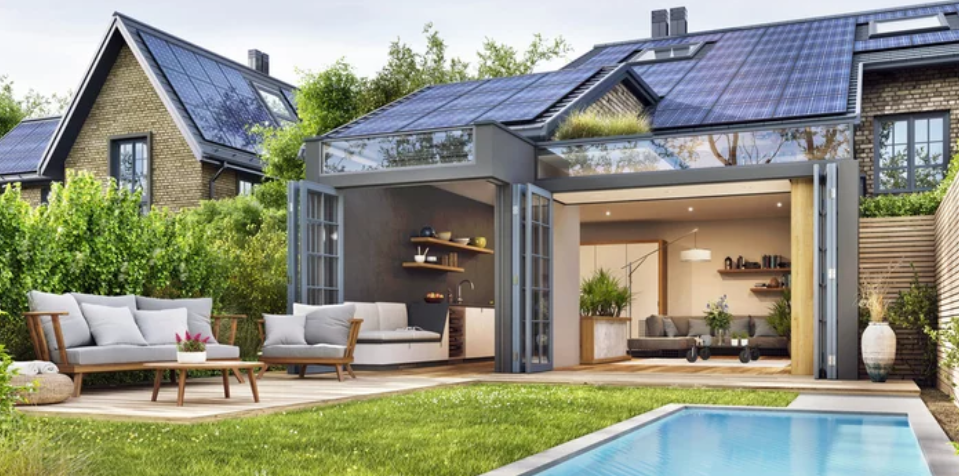
The global shift toward renewable energy has placed solar power at the forefront of sustainable development. Whether you’re an entrepreneur, an engineer, or an eco-conscious homeowner, understanding how to plan and execute a solar energy project can help you harness clean, cost-effective power for years to come. This comprehensive step-by-step guide walks you through everything you need to know—from concept to commissioning—to ensure your solar project’s success.
1. Understand the Basics of Solar Energy
Before diving into technical details, it’s essential to grasp how solar energy works. Solar power systems convert sunlight into electricity using photovoltaic (PV) cells. These cells capture solar radiation and transform it into direct current (DC), which is then converted to alternating current (AC) through an inverter for home or industrial use.
Key Components of a Solar System
- Solar Panels: Capture sunlight and generate DC electricity.
- Inverters: Convert DC to AC for appliances and grid use.
- Mounting Systems: Secure panels to rooftops or ground mounts.
- Batteries (Optional): Store excess energy for night-time use.
- Charge Controllers: Regulate the flow of electricity to prevent overcharging.
Understanding these elements helps you design an efficient system tailored to your specific energy requirements.
2. Conduct a Feasibility Study
Every successful solar energy project begins with a detailed feasibility analysis. This step determines whether solar power is technically and economically viable for your location and energy goals.
Key Factors to Evaluate
- Solar Potential: Assess sunlight exposure using solar maps or tools like PVGIS or Google Project Sunroof.
- Energy Demand: Analyze your monthly or annual power consumption to determine system size.
- Available Space: Check your roof’s orientation, tilt angle, and shading patterns.
- Budget Constraints: Consider upfront installation costs versus long-term savings.
- Regulatory Policies: Review local laws, incentives, and grid interconnection rules.
Conducting a thorough feasibility study ensures that your solar project is both sustainable and financially rewarding.
3. Design Your Solar Energy System
Once feasibility is established, the next step is designing your system layout. This process involves selecting the right components, calculating energy output, and optimizing placement for maximum efficiency.
System Design Essentials
- System Size Calculation: Match your solar output to your energy needs.
- Panel Orientation: Panels should face the equator—south in the Northern Hemisphere and north in the Southern Hemisphere—for optimal sun exposure.
- Tilt Angle: Adjust the tilt based on your latitude to maximize annual performance.
- Component Selection: Choose reliable brands with proven efficiency and warranties.
- Wiring and Safety Features: Ensure all electrical designs meet national standards and safety codes.
Proper design minimizes performance issues and ensures your investment yields long-term returns.
4. Secure Financing and Incentives
Solar energy requires an initial investment, but the long-term cost savings and available incentives make it highly attractive. Understanding your financing options can significantly ease the financial burden.
Common Financing Options
- Direct Purchase: Ideal for property owners who can pay upfront and want full ownership.
- Solar Loans: Borrow funds and repay gradually while enjoying energy savings.
- Power Purchase Agreements (PPAs): A third party owns the system, and you pay only for the electricity generated.
- Leasing: Rent the solar system for a fixed monthly fee.
Government Incentives and Tax Credits
Many countries offer solar rebates, tax exemptions, or net metering programs that reduce your overall costs. Always check local renewable energy agencies or environmental departments for updated schemes.
5. Choose a Qualified Solar Installer
Selecting a reputable and experienced solar installer can make or break your project. Look for certified professionals with a track record in design, installation, and maintenance.
Tips for Choosing the Right Installer
- Verify licensing and certifications (e.g., NABCEP for the U.S. or local equivalents).
- Request multiple quotes and compare warranties.
- Read customer reviews and project portfolios.
- Ensure the installer offers post-installation support and monitoring.
Working with qualified experts guarantees compliance with safety standards and optimal system performance.
6. Obtain Necessary Permits and Approvals
Before installation begins, you must obtain the necessary permits and approvals from local authorities or utility companies.
Typical Permits Required
- Building Permit: Ensures your system complies with structural and safety codes.
- Electrical Permit: Validates compliance with electrical regulations.
- Utility Interconnection Approval: Allows grid connection for net metering or energy export.
Submitting complete and accurate documentation expedites the approval process and prevents costly delays.
7. Install the Solar Energy System
With permits in place, it’s time for installation. The duration depends on the system size, site complexity, and weather conditions.
Installation Steps
- Site Preparation: Clean and prepare the mounting surface.
- Mounting and Racking: Secure the support structures for panels.
- Panel Installation: Attach solar panels to the mounting frame.
- Electrical Wiring: Connect panels to inverters and batteries.
- System Testing: Verify voltage, current, and inverter functionality.
Professional installers follow safety protocols and perform rigorous inspections to ensure flawless setup.
8. Commissioning and System Testing
After installation, your system must undergo a series of inspections and performance tests before it goes live.
Testing Procedures
- Electrical safety checks
- System output verification
- Grid synchronization tests
- Monitoring system configuration
Once approved, your solar energy project is officially commissioned and ready to start generating clean power.
9. Monitor and Maintain Your Solar System
Monitoring your solar power system is crucial for maintaining efficiency and detecting potential issues early.
Best Practices for Maintenance
- Clean panels regularly to remove dust or debris.
- Inspect cables and inverters for wear or faults.
- Use smart monitoring tools to track performance and energy output.
- Schedule annual professional inspections.
Routine maintenance ensures long-term reliability and optimal energy yield throughout the system’s lifespan.
10. Evaluate Performance and ROI
After several months of operation, evaluate your system’s energy output and cost savings. Compare your actual performance data with your initial projections to assess efficiency and return on investment (ROI).
If your ROI is lower than expected, factors like shading, inverter losses, or dirt accumulation might be affecting performance—address these promptly to maximize returns.
Conclusion: Turning Solar Potential into Sustainable Power
Building a successful solar energy project is a strategic process that requires planning, expertise, and dedication. By following these steps—understanding the fundamentals, designing efficiently, securing financing, and maintaining diligently—you can unlock the full potential of solar power.
As the world transitions to renewable energy, your solar project can serve as both an economic and environmental investment—delivering clean electricity, reducing carbon emissions, and contributing to a greener planet.
Also Read :