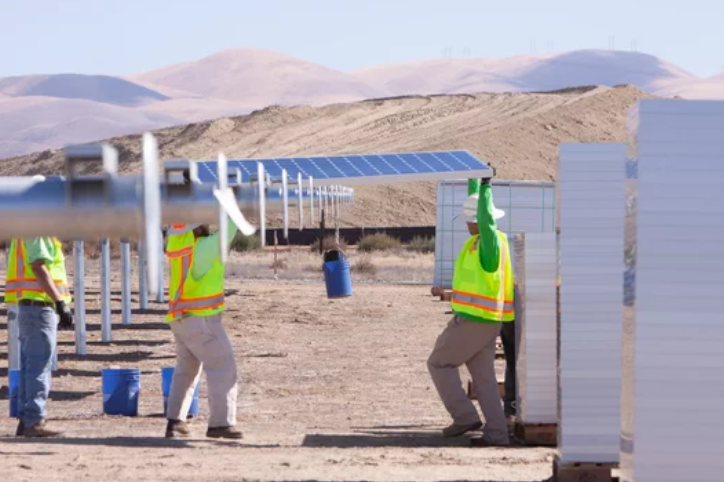
As the global demand for clean energy accelerates, engineers are at the forefront of innovation—transforming the way solar power is designed, harnessed, and applied. The transition to renewable energy isn’t just a trend; it’s the foundation of a sustainable future. For engineers and students alike, experimenting with forward-thinking solar projects provides not only technical growth but also real-world solutions for energy challenges.
In this guide, we’ll explore the most innovative, future-ready solar projects that every engineer should consider developing. These ideas range from smart solar technologies to hybrid renewable systems—ideal for college projects, startups, or professional R&D.
1. Smart Solar Tracking System
One of the most impactful innovations in solar engineering is the solar tracking system. Traditional solar panels remain fixed, capturing limited sunlight throughout the day. A smart tracking system, however, automatically adjusts the angle of solar panels based on the sun’s movement, maximizing energy output by up to 40%.
Key Features
- Dual-axis rotation using sensors or microcontrollers (e.g., Arduino or Raspberry Pi).
- Integration with IoT for remote monitoring.
- Real-time data logging to analyze efficiency trends.
This project helps engineers explore automation, control systems, and energy optimization—skills highly relevant in modern renewable energy industries.
2. Solar-Powered Electric Vehicle Charging Station
With electric vehicles (EVs) on the rise, sustainable charging solutions are more critical than ever. Designing a solar-powered EV charging station combines renewable energy with clean transportation.
Project Components
- High-efficiency solar PV panels.
- Battery storage units for power backup.
- Smart grid integration for monitoring and energy management.
Engineers can experiment with power electronics, load balancing, and grid feedback systems to create scalable EV charging infrastructure suitable for cities or remote areas.
3. Hybrid Solar-Wind Energy System
No single renewable source can deliver uninterrupted power everywhere. That’s why hybrid energy systems—combining solar and wind—are a top choice for future-ready engineering projects.
System Highlights
- Solar panels and wind turbines operate in synergy.
- Automatic energy distribution and storage management.
- Microcontroller-based system for power regulation.
This project is particularly beneficial in regions with fluctuating weather conditions, ensuring continuous energy generation day and night.
4. Solar-Powered Water Desalination System
Freshwater scarcity is a growing global crisis. Engineers can address this challenge by building a solar-powered desalination system that converts seawater into potable water using thermal or photovoltaic technology.
Core Features
- Solar concentrators or PV-powered heaters for evaporation.
- Condensation chamber to collect distilled water.
- Low-cost materials for scalability in developing regions.
This project integrates environmental sustainability with humanitarian innovation, making it ideal for coastal and arid regions.
5. IoT-Based Solar Energy Monitoring System
As renewable energy systems expand, data-driven management becomes essential. Developing an IoT-based monitoring system allows users to track energy generation, consumption, and efficiency in real time.
Technical Components
- Sensors for voltage, current, and temperature readings.
- Microcontrollers (ESP32, Arduino, or NodeMCU).
- Cloud-based dashboard for analytics and alerts.
By combining solar energy with IoT, engineers can create intelligent systems that enhance maintenance efficiency and predict performance anomalies.
6. Solar-Powered Smart Irrigation System
Agriculture consumes massive energy and water resources. A solar-powered irrigation system offers a sustainable solution for farmers while reducing operational costs.
How It Works
- Solar panels generate energy to power water pumps.
- Soil moisture and temperature sensors determine irrigation needs.
- Automated control using microcontrollers for water efficiency.
This project empowers engineers to address global food security while integrating renewable energy with smart farming technologies.
7. Solar Energy Storage and Management System
Energy storage is one of the biggest challenges in solar technology. A solar energy storage and management project focuses on improving battery efficiency and load distribution.
Key Components
- Lithium-ion or lead-acid battery modules.
- Bidirectional inverter system.
- Battery Management System (BMS) for protection and optimization.
Engineers can explore power electronics, grid-tied systems, and advanced energy storage algorithms—critical fields in the renewable energy sector.
8. Floating Solar Power Plant
Land scarcity in urban and agricultural areas has driven the innovation of floating solar farms—installations built on water bodies like lakes or reservoirs.
Advantages
- Reduces water evaporation and saves land space.
- Enhances solar panel efficiency due to cooler surface temperatures.
- Integrates with hydroelectric plants for hybrid energy generation.
Engineers can design scaled-down prototypes to test buoyant structures, anchoring mechanisms, and water-based electrical safety systems.
9. Solar-Powered Drones
Drones powered by solar energy can perform surveillance, environmental monitoring, and mapping missions with extended flight times.
Project Components
- Lightweight solar cells integrated into the drone’s wings.
- High-efficiency battery storage.
- Autonomous flight algorithms using AI or GPS.
This project merges renewable energy with aerospace innovation—perfect for engineers interested in robotics, aerodynamics, and solar integration.
10. Solar-Powered Smart Homes
With the growth of the Internet of Things (IoT), integrating solar power into smart home systems is the future of sustainable living.
Project Focus Areas
- Smart energy meters for consumption tracking.
- AI-based load management to optimize energy use.
- Integration with battery backup and grid feedback.
Engineers can design energy-efficient, autonomous homes that balance convenience, cost savings, and environmental responsibility.
11. Concentrated Solar Power (CSP) Mini Plant
Unlike conventional PV panels, Concentrated Solar Power systems use mirrors or lenses to focus sunlight onto a small area, producing high temperatures for power generation or industrial heating.
Core Design Elements
- Parabolic mirrors or Fresnel lenses for light concentration.
- Thermal energy storage systems.
- Steam turbine or Stirling engine for energy conversion.
This project provides hands-on experience in thermodynamics, mechanical systems, and sustainable industrial processes.
12. Solar-Powered Air Conditioning System
Cooling systems are major energy consumers worldwide. Developing a solar-powered air conditioner can significantly cut electricity use and emissions.
Project Approach
- Use solar PV or solar thermal collectors for energy input.
- Employ DC compressor technology to reduce losses.
- Include an automated control system for temperature regulation.
This project demonstrates the potential for renewable energy to transform household and commercial HVAC systems sustainably.
Conclusion: Building Tomorrow’s Energy Solutions Today
Solar technology is no longer confined to rooftop panels—it’s evolving into smart, integrated, and data-driven systems that redefine how we power our world. From self-tracking panels to hybrid microgrids and IoT-powered monitoring tools, the possibilities for innovation are limitless.
For engineers, these future-ready solar projects aren’t just academic experiments—they’re blueprints for a cleaner, smarter, and more resilient planet. By combining creativity, technical skill, and sustainability, engineers have the power to shape the next generation of renewable energy solutions.
Also Read :