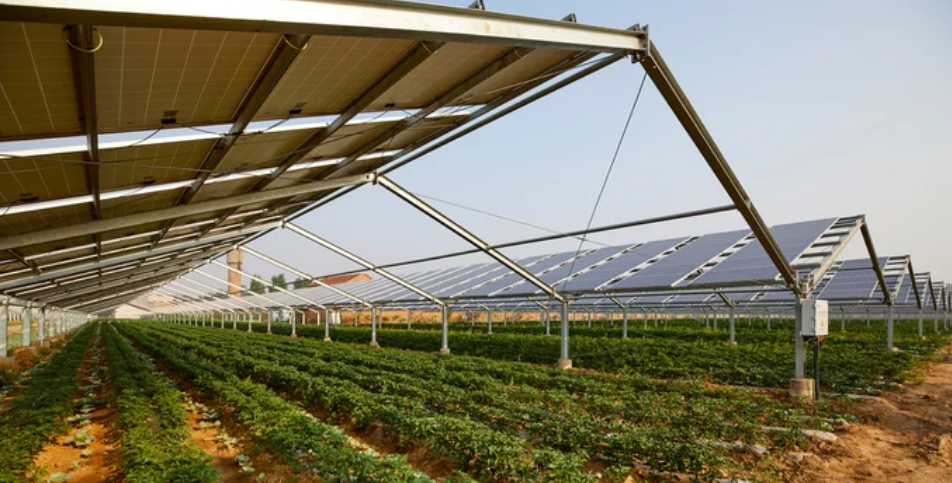
In many rural regions around the world, access to reliable electricity and clean water remains a daily challenge. Traditional diesel-powered pumps are costly to operate, noisy, and harmful to the environment. Solar-powered water pumps, on the other hand, offer a sustainable, low-maintenance, and cost-effective solution. They harness the abundant power of the sun to lift water for irrigation, livestock, and domestic use — empowering communities while reducing carbon footprints.
This guide provides a comprehensive look into designing, building, and implementing a solar-powered water pump system, from concept to real-world application.
Why Solar Water Pumps Are the Future of Rural Development
Solar water pumps are rapidly transforming how rural communities access water. Unlike conventional systems that depend on fossil fuels or unstable power grids, solar pumps operate entirely on sunlight — available in abundance across most developing regions.
Key Benefits Include:
- Energy independence: No reliance on the power grid or fuel deliveries.
- Low operational costs: Once installed, sunlight is free, and maintenance needs are minimal.
- Sustainability: Zero emissions and reduced environmental impact.
- Ease of automation: Systems can integrate with sensors or smart controllers for optimized water use.
- Reliability: Operates even in remote areas without external infrastructure.
These advantages make solar pumping systems ideal for agricultural irrigation, livestock watering, and community water supply in off-grid areas.
Understanding How a Solar Water Pump Works
A solar-powered water pump converts sunlight into electrical energy using photovoltaic (PV) panels, which then power a DC or AC pump to draw water from a source such as a borehole, well, river, or pond.
Here’s a simplified breakdown of the process:
- Solar panels capture sunlight and generate DC electricity.
- The controller/inverter regulates voltage and current to protect the system.
- The pump (submersible or surface type) draws water from the source.
- Water is delivered to a storage tank or irrigation system.
- Optional sensors or timers manage pumping schedules for efficiency.
The system can operate directly during daylight or store energy in batteries for continuous operation even after sunset.
Essential Components of a Solar Water Pump System
Building an efficient system requires selecting the right components and ensuring they work seamlessly together.
1. Solar Panels (PV Array)
- Capture sunlight and generate DC power.
- Choose monocrystalline panels for high efficiency or polycrystalline panels for cost savings.
- Power rating typically ranges between 100W to 500W per panel.
- The number of panels depends on pump power and daily water demand.
2. Pump
- DC pumps: Efficient, easy to install, and directly compatible with solar panels.
- AC pumps: Require an inverter but can handle higher capacities.
- Common types include:
- Submersible pumps for deep wells and boreholes.
- Surface pumps for shallow wells or ponds.
- Centrifugal pumps for irrigation and distribution.
3. Controller / Inverter
- Regulates voltage and current flow.
- Protects pump from overvoltage, underload, or dry-run conditions.
- In hybrid systems, can also manage inputs from the grid or generator.
4. Battery Storage (Optional)
- Stores excess solar energy for night operation or cloudy conditions.
- Deep-cycle or lithium-ion batteries are recommended.
- Adds cost but increases reliability for continuous water supply.
5. Water Storage Tank
- Acts as a buffer for cloudy days.
- Elevated tanks can supply gravity-fed irrigation or household systems.
6. Piping and Accessories
- PVC or HDPE pipes for durability and cost efficiency.
- Include non-return valves, filters, and pressure regulators for optimal operation.
Designing the System — Step-by-Step Approach
Step 1: Assess Water Requirements
Determine the total daily water demand for the intended use — whether for crops, livestock, or domestic needs.
Example:
- Crop irrigation: 10,000 liters/day
- Livestock: 2,000 liters/day
- Domestic use: 500 liters/day
Step 2: Identify Water Source
Measure the static water level (height from ground to water surface) and dynamic head (total lift including elevation and pipe losses).
Accurate head measurement ensures you select the right pump capacity.
Step 3: Size the Pump
Use pump performance curves or calculators provided by manufacturers.
Choose a model that can deliver the required flow rate at your total dynamic head (TDH).
Step 4: Size the Solar Array
Estimate panel size using:
[
\text{Panel Power (W)} = \frac{\text{Pump Power (W)} \times 1.3}{\text{Peak Sun Hours per day}}
]
The 1.3 factor accounts for efficiency losses in wiring, dust, and conversion.
For example, a 1 HP (750W) DC pump in an area with 6 peak sun hours needs approximately:
[
(750W × 1.3) / 6 ≈ 163W \text{ per hour} \Rightarrow \text{4 × 200W panels}
]
Step 5: Design the Mounting and Wiring
- Tilt panels to match the site’s latitude angle for maximum sunlight exposure.
- Use robust mounts (preferably galvanized steel or aluminum).
- Use appropriate wire gauge to minimize voltage drop.
Step 6: Integrate Control and Safety Features
- Dry-run protection: Stops pump when water level is too low.
- Overflow control: Shuts off pump when the tank is full.
- Overvoltage and short-circuit protection for system longevity.
Installation and Testing
After assembling all components:
- Mount panels facing the equator (south in the northern hemisphere, north in the southern).
- Connect panels in series or parallel as per the controller’s voltage rating.
- Install pump securely and prime it before operation.
- Connect controller/inverter and check all safety connections.
- Test operation during peak sunlight and record water flow rate.
Observe system performance for a few days to ensure stability and reliability.
Maintenance Tips for Longevity
A solar water pump system is generally low-maintenance but requires periodic checks:
- Clean solar panels monthly to remove dust and bird droppings.
- Inspect electrical connections for corrosion or loose joints.
- Check water filters and valves for clogging.
- Lubricate mechanical parts (if applicable).
- Monitor pump performance and water output for signs of wear.
With basic care, a well-designed solar pumping system can last 15–20 years or more.
Cost Analysis and Payback Period
While initial setup costs can be high, the operational savings quickly outweigh them.
| Component | Estimated Cost (USD) |
|---|---|
| Solar Panels (800W–1000W) | $400–600 |
| Pump (DC Submersible) | $250–450 |
| Controller / Inverter | $100–200 |
| Piping & Tank | $150–300 |
| Mounting & Wiring | $100–200 |
| Total | $1,000–1,750 |
Typical payback period: 2–4 years, depending on fuel savings and usage frequency. After that, the system provides free water for years with minimal maintenance.
Real-World Applications of Solar Water Pumps
- Agricultural Irrigation: Drip or sprinkler systems powered by solar pumps maximize water efficiency and crop yield.
- Livestock Farming: Automatic watering systems for cattle, goats, or poultry.
- Domestic Water Supply: Providing clean water for drinking, cooking, and sanitation in rural homes.
- Community Projects: Shared solar pumping systems that serve multiple households or schools.
- Disaster Relief & Off-Grid Aid: Portable solar pumps used for emergency water supply in remote or disaster-struck areas.
Environmental and Social Impact
Solar water pumps reduce greenhouse gas emissions, improve agricultural productivity, and promote self-reliance in off-grid regions. They also help reduce the labor burden on women and children who often travel long distances to fetch water.
By fostering clean energy adoption, they directly support UN Sustainable Development Goals (SDGs), particularly:
- SDG 6: Clean Water and Sanitation
- SDG 7: Affordable and Clean Energy
- SDG 13: Climate Action
Conclusion: Empowering Rural Communities with the Power of the Sun
Building a solar-powered water pump isn’t just a technical project — it’s a solution that transforms lives. With the right design, materials, and maintenance, these systems deliver clean water sustainably and economically for decades.
Whether you’re an engineer, NGO, or community leader, investing in solar pumping technology means investing in a brighter, greener, and more self-reliant future for rural communities.
Also Read :