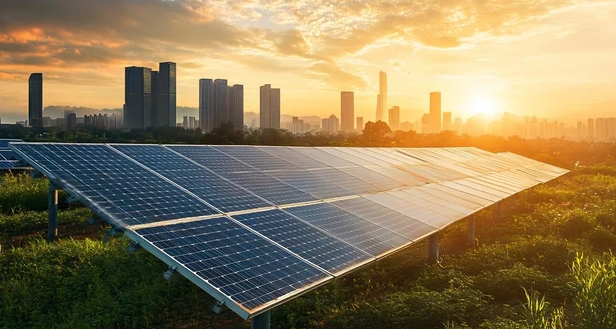
As the world transitions toward renewable energy, the integration of Internet of Things (IoT) with solar energy systems is transforming how we produce, store, and manage electricity. The result is an intelligent, automated, and data-driven energy ecosystem that maximizes efficiency and reduces waste.
An IoT-based solar energy management system brings real-time monitoring, control, and predictive analytics into play, allowing users to optimize power generation, storage, and consumption. This article explores the step-by-step process of designing such a system — from concept to implementation — and highlights its impact on smart homes, industries, and cities.
What Is an IoT-Based Solar Energy Management System?
An IoT-based solar energy management system is an advanced setup that combines solar power generation with connected sensors, controllers, and cloud platforms to intelligently monitor and regulate energy flow.
In simple terms, IoT acts as the “brain” of the solar system — collecting data from panels, batteries, and inverters, then processing it to make real-time decisions for improved performance and reliability.
Core Objectives
- To monitor power generation, storage, and usage in real time.
- To optimize energy flow between solar panels, batteries, and the grid.
- To predict faults, inefficiencies, and performance issues before they occur.
- To automate decision-making for energy saving and sustainability.
Why Use IoT in Solar Energy Systems?
Traditional solar systems often lack visibility and control. Once installed, users can’t easily track energy performance or identify issues until they cause significant power loss. IoT integration solves this by providing real-time data and remote management capabilities.
Key Benefits
- Real-Time Monitoring – Track energy production, battery charge, and power consumption from anywhere via a mobile app or web dashboard.
- Predictive Maintenance – IoT sensors detect abnormalities, enabling early intervention before breakdowns occur.
- Improved Efficiency – Intelligent algorithms analyze data to optimize charging cycles and inverter performance.
- Automated Control – Devices can automatically switch loads, adjust power distribution, and manage energy usage efficiently.
- Data Analytics for Decision Making – Historical data helps predict future energy patterns and optimize design upgrades.
Major Components of an IoT-Based Solar Energy Management System
Designing this system requires the integration of hardware, software, and communication technologies. Let’s break down each component:
1. Solar Panel
- Function: Converts sunlight into direct current (DC) electricity.
- Type: Monocrystalline panels are more efficient and ideal for IoT applications where space is limited.
2. Charge Controller
- Function: Regulates the power flow between solar panels and the battery to prevent overcharging or deep discharge.
- Type: MPPT (Maximum Power Point Tracking) controllers are preferred for higher efficiency.
3. Battery Bank
- Function: Stores energy for use when sunlight isn’t available.
- Type: Lithium-ion or LiFePO4 batteries are commonly used due to their long cycle life and energy density.
4. Inverter
- Function: Converts DC electricity from panels or batteries into AC power for appliances.
- Smart Inverters: Modern inverters include IoT modules for direct data transmission.
5. IoT Sensors
These are the core of the system. Common sensors include:
- Voltage and Current Sensors: Measure energy flow.
- Temperature Sensors: Monitor heat levels in panels and batteries.
- Light Sensors: Detect solar intensity to estimate performance.
- Energy Meters: Record total consumption and generation.
6. Microcontroller or IoT Board
Acts as the central processing unit. It gathers sensor data and transmits it to the cloud.
- Common choices: Arduino, ESP32, Raspberry Pi, or NodeMCU.
7. Communication Module
Allows wireless data transfer to the cloud or a local server.
- Examples: Wi-Fi, GSM, LoRa, or Zigbee modules.
8. Cloud Platform or Server
Stores and processes all data for analysis and visualization. Popular platforms include ThingSpeak, AWS IoT Core, Google Cloud IoT, and Blynk.
9. User Interface (Dashboard)
A web or mobile dashboard displays performance metrics, graphs, alerts, and control options in real time.
How the System Works: Step-by-Step Operation
- Data Collection:
IoT sensors gather real-time data such as voltage, current, temperature, and sunlight intensity. - Data Transmission:
The microcontroller sends this data via a communication module to the cloud or a local monitoring platform. - Data Processing:
Cloud-based algorithms analyze data to identify patterns, inefficiencies, or system faults. - Decision-Making:
Based on the analysis, the system automatically adjusts load distribution or charging priorities. - User Interaction:
The user can monitor system performance, receive alerts, and control devices remotely via the dashboard or app. - Continuous Learning:
AI and machine learning can be integrated to continuously improve performance prediction and energy optimization.
System Design and Architecture
A simplified architecture of the IoT-based solar energy management system includes:
- Layer 1: Power Generation Layer
(Solar panels, charge controller, and inverter handle energy production.) - Layer 2: Sensing and Control Layer
(Sensors and microcontrollers measure and manage power flow.) - Layer 3: Communication Layer
(Wireless modules send real-time data to the cloud.) - Layer 4: Cloud and Analytics Layer
(Data is stored, analyzed, and visualized using IoT platforms.) - Layer 5: User Interface Layer
(Dashboard for users to monitor and control energy usage.)
Step-by-Step Guide to Building the System
Step 1: Component Selection
Choose reliable hardware suited to your project scale — small (residential) or large (industrial). For small prototypes, an ESP32, 12V battery, and 10W solar panel are sufficient.
Step 2: Circuit Design
Connect solar panels to the charge controller, which charges the battery. Sensors are connected to the microcontroller, and the output is linked to the inverter.
Step 3: Coding and Integration
Develop code that:
- Reads data from sensors.
- Sends values to the cloud via MQTT or HTTP protocols.
- Triggers alerts or actions when certain thresholds are met (e.g., low battery or overheating).
Step 4: Cloud Dashboard Setup
Use platforms like ThingSpeak, Blynk, or AWS IoT to visualize real-time graphs of voltage, current, temperature, and energy consumption.
Step 5: Testing and Optimization
Test the system under various weather conditions to ensure stable connectivity, accurate data readings, and automatic load management.
Advanced Features for Smart Energy Management
To make your IoT-based solar system future-ready, consider integrating the following innovations:
1. Predictive Maintenance
Machine learning models analyze sensor data to predict component failures before they occur.
2. Load Prioritization
Automatically shift non-essential loads to low-sunlight hours or grid power.
3. Energy Forecasting
Use historical data and weather APIs to predict solar generation and adjust energy usage accordingly.
4. AI-Powered Optimization
AI algorithms can fine-tune inverter efficiency and charging cycles for maximum battery life.
5. Blockchain for Energy Trading
Enable peer-to-peer solar energy trading between homes or businesses through a decentralized blockchain network.
Real-World Applications
1. Smart Homes
Residents can monitor solar generation and battery health remotely and control energy-intensive appliances based on availability.
2. Industrial Energy Management
Factories use IoT-integrated solar systems to optimize power consumption, reduce grid dependence, and track performance.
3. Rural Electrification
Off-grid villages benefit from automated systems that ensure consistent power supply and easy remote maintenance.
4. Smart Cities
IoT-based solar grids enable efficient public lighting, EV charging stations, and community power sharing.
Advantages of IoT-Based Solar Energy Management
- Improved System Efficiency through data-driven insights.
- Reduced Energy Waste with automated control.
- Real-Time Fault Detection for quick troubleshooting.
- Lower Maintenance Costs via predictive monitoring.
- Scalable and Future-Proof for integration with other smart grid technologies.
Challenges in Implementation
While IoT adds intelligence to solar systems, challenges remain:
- Connectivity Issues in remote locations.
- Cybersecurity Risks due to online data transmission.
- Higher Initial Costs for sensors and cloud integration.
- Power Consumption of IoT Devices that must be optimized for off-grid systems.
Proper design, encryption, and energy-efficient microcontrollers can effectively mitigate these issues.
Future Trends in IoT and Solar Energy Integration
The next decade will see solar energy systems becoming even smarter and more autonomous. Key trends include:
- Edge Computing to process data locally and reduce latency.
- AI-Driven Energy Grids for dynamic energy balancing.
- 5G Connectivity for faster and more reliable communication.
- Fully Autonomous Solar Farms that self-monitor and self-repair.
Conclusion
Designing an IoT-based solar energy management system combines the power of renewable energy with cutting-edge digital technology. It’s more than just a project — it’s a step toward building a sustainable, data-driven future where every watt of sunlight is used intelligently.
Whether you’re developing it for academic research, home automation, or industrial applications, this project represents the next evolution in clean energy innovation — smart, connected, and sustainable. ☀️🌐
Also Read :