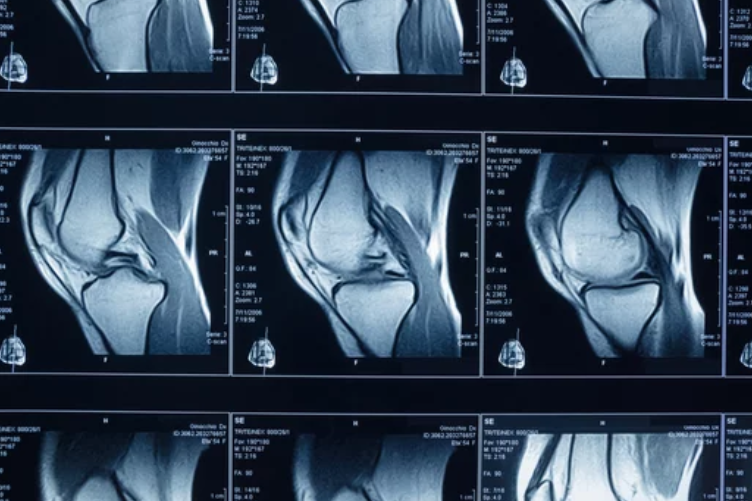
Magnetic Resonance Imaging (MRI) is a widely used medical imaging technique that helps doctors diagnose and monitor many health conditions. Because MRI scanners use powerful magnets and advanced technology, some patients worry whether MRI scans could increase the risk of cancer. This concern is understandable, especially since other imaging tests are known to involve radiation. However, scientific evidence provides reassuring answers.
How MRI Scans Work
MRI scans use:
- Strong magnetic fields
- Radiofrequency (RF) waves
- Computer processing
These components work together to create detailed images of organs, tissues, and structures inside the body. Unlike X-rays or CT scans, MRI does not use ionizing radiation, which is the type of radiation linked to cancer risk.
MRI vs. Radiation-Based Imaging
To understand cancer concerns, it helps to compare MRI with other imaging methods.
Imaging Tests That Use Ionizing Radiation
- X-rays
- CT (Computed Tomography) scans
- PET scans
Ionizing radiation can damage DNA and, with repeated or high exposure, slightly increase the risk of cancer.
Why MRI Is Different
MRI uses non-ionizing radiation, which does not have enough energy to damage DNA or cells. This is the key reason MRI is considered a safer option for repeated imaging.
What Does the Science Say?
Decades of research and millions of MRI scans worldwide show:
- No proven link between MRI scans and cancer
- No evidence that MRI causes DNA damage
- No increased cancer risk in people who undergo multiple MRI scans
Major medical and radiology organizations consistently confirm the long-term safety of MRI technology.
Do Strong Magnetic Fields Cause Cancer?
MRI machines generate very strong magnetic fields, typically between 1.5 and 3 Tesla. While these magnets are powerful, studies have not shown that they:
- Cause genetic mutations
- Damage body tissues
- Trigger cancer development
The main risks associated with magnetic fields are physical, such as interactions with metal objects, not biological effects like cancer.
MRI Contrast Agents and Cancer Risk
Some MRI exams use contrast agents, most commonly gadolinium-based contrast agents, to improve image clarity.
Current scientific findings show:
- Contrast agents are safe for most patients
- Small amounts of gadolinium may remain in the body
- There is no evidence linking gadolinium contrast to cancer
Doctors carefully assess the need for contrast, especially in patients with kidney disease.
MRI Safety for Children and Repeated Scans
MRI is often preferred for children and for patients who need frequent imaging because:
- It does not expose patients to ionizing radiation
- It is suitable for long-term monitoring
- No increased cancer risk has been observed in pediatric studies
MRI Scans During Pregnancy
When medically necessary, MRI scans (without contrast) are generally considered safe during pregnancy. Research has not found a connection between prenatal MRI exposure and childhood cancer.
Common Myths About MRI and Cancer
Myth: MRI scans use harmful radiation
Fact: MRI does not use ionizing radiation.
Myth: Multiple MRI scans increase cancer risk
Fact: There is no evidence of cumulative cancer risk from MRI scans.
Final Answer: Is There a Link Between MRI Scans and Cancer?
Based on current scientific evidence, there is no proven link between MRI scans and cancer. MRI does not use ionizing radiation, does not damage DNA, and has an excellent safety record developed over decades of clinical use.
Key Takeaways
- MRI scans do not involve ionizing radiation
- No scientific studies link MRI to cancer
- Safe for repeated use and for children
- Contrast agents are not associated with cancer risk
- MRI benefits far outweigh any theoretical concerns
If you have questions about an upcoming MRI scan, a healthcare professional can help explain why it is recommended and address any safety concerns you may have.
Also Read :