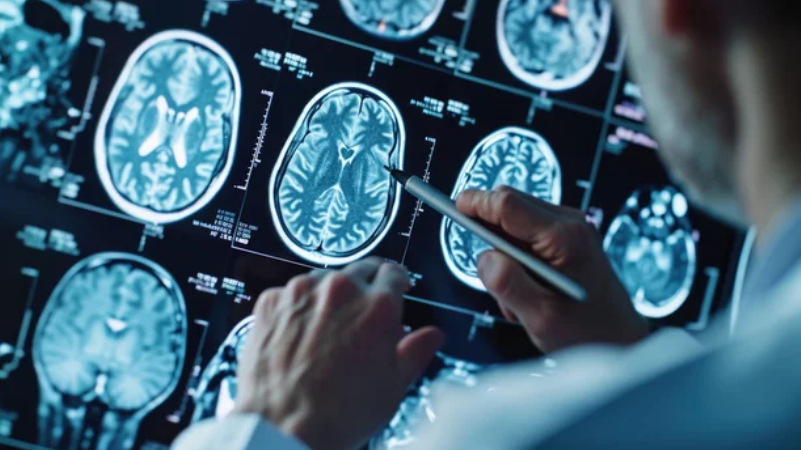
Magnetic Resonance Imaging (MRI) is widely regarded as a safe imaging modality due to its use of magnetic fields and radiofrequency (RF) energy rather than ionizing radiation. However, questions about potential long-term cancer risks associated with MRI scans have persisted. This overview reviews current scientific evidence to clarify whether MRI scans pose a cancer risk.
The Basics: How MRI Works
- No Ionizing Radiation: Unlike X-rays or CT scans, MRI employs static magnetic fields, RF pulses, and gradient fields.
- Energy Exposure: RF energy can cause tissue heating, but this is carefully regulated.
Are MRI Scans Associated with Increased Cancer Risk?
1. Ionizing Radiation vs. MRI
- Key Point: Ionizing radiation (X-rays, gamma rays) can damage DNA and increase cancer risk.
- Difference: MRI does not involve ionizing radiation; it uses magnetic fields and RF energy, which do not have sufficient energy to break DNA bonds.
2. Scientific Evidence
- Epidemiological Studies: Large-scale studies and meta-analyses have found no evidence linking MRI exposure to increased cancer incidence.
- Regulatory and Expert Opinions: Organizations such as the World Health Organization (WHO) and the U.S. Food and Drug Administration (FDA) affirm MRI’s safety regarding cancer risk.
3. Potential Concerns and Clarifications
- Gadolinium-based contrast agents: While generally safe, some studies suggest gadolinium can deposit in tissues. There is no conclusive evidence linking this to cancer, but ongoing research continues to monitor safety.
4. Long-term Risk Considerations
- Repeated Scans: Although repeated MRI scans are common for monitoring, current evidence does not suggest cumulative cancer risk.
- Vulnerable Populations: Pregnant women and children are typically scanned only when necessary, following safety guidelines, with no evidence of increased cancer risk.
What About Magnetic Fields?
- Static Magnetic Fields: The strong magnetic fields used in MRI are not known to cause DNA damage or increase cancer risk.
- Transient Effects: Some people report dizziness or vertigo in high magnetic fields, but these are temporary and non-carcinogenic.
Summary of Current Findings
| Aspect | Evidence | Conclusion |
|---|---|---|
| Ionizing radiation | No | MRI does not increase cancer risk through radiation exposure. |
| RF energy and heating | Regulated to prevent harm | No evidence of carcinogenic effect when standards are followed. |
| Gadolinium contrast | No conclusive link to cancer | Safe for most patients; ongoing research. |
| Long-term risk | No epidemiological evidence | MRI is considered safe with no demonstrated increase in cancer incidence. |
Final Thoughts
Based on current scientific research and regulatory assessments, MRI scans do not increase cancer risk. They remain a safe, non-invasive imaging modality essential for accurate diagnosis and treatment planning.
Also Read :