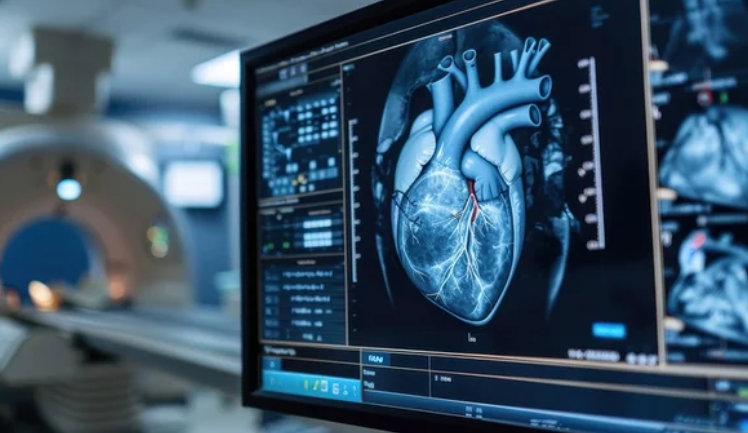
Over the last twenty years, Magnetic Resonance Imaging (MRI) has been the subject of extensive scientific research focused on safety, biological effects, and long-term health outcomes. As MRI use has expanded across hospitals, diagnostic centers, and research institutions worldwide, so too has the need for rigorous evaluation of its potential risks.
Today, MRI is widely regarded as one of the safest medical imaging technologies available. This conclusion is not based on assumption, but on two decades of continuous research, technological refinement, and global regulatory oversight. This article explores MRI safety research findings from the last two decades, highlighting what scientists have learned, what concerns have been addressed, and why MRI remains a cornerstone of modern medical imaging.
Why MRI Safety Research Matters
MRI systems use strong magnetic fields and radiofrequency (RF) energy to generate detailed images of the human body. Because these fields are invisible and powerful, questions about their biological impact are natural and necessary.
Safety research aims to answer key questions, including:
- Can MRI exposure damage cells or DNA?
- Does repeated MRI scanning increase long-term health risks?
- Are high-field MRI systems safe for routine clinical use?
- How do contrast agents affect patient safety over time?
The past two decades have provided clear, evidence-based answers to these concerns.
MRI Technology: A Brief Safety Overview
MRI differs fundamentally from imaging methods such as X-rays and CT scans. It does not use ionizing radiation, which is the primary cause of radiation-related cancer risk in medical imaging.
Instead, MRI relies on:
- Static magnetic fields
- Gradient magnetic fields
- Non-ionizing radiofrequency waves
Each of these components has been independently studied for safety.
Major MRI Safety Findings (2005–2025)
1. No Evidence of DNA Damage from MRI
One of the most important findings from the last two decades of MRI safety research is the absence of credible evidence linking MRI exposure to DNA damage.
Large laboratory studies and human clinical trials have consistently shown that MRI does not cause:
- DNA strand breaks
- Permanent genetic mutations
- Chromosomal abnormalities
While some studies reported temporary cellular responses, such as mild oxidative stress, these effects were short-lived and within normal biological variation.
Magnetic Fields and Long-Term Health Outcomes
Static Magnetic Fields
Clinical MRI scanners typically operate at 1.5T or 3T, with some research systems reaching higher field strengths. Extensive studies have shown that exposure to static magnetic fields at clinical levels does not cause cancer, neurological damage, or organ dysfunction.
Long-term population studies involving healthcare workers and patients exposed to MRI environments have found no increase in cancer incidence attributable to magnetic field exposure.
Gradient Magnetic Fields and Nerve Stimulation
Gradient magnetic fields rapidly change during MRI scans to encode spatial information. Research over the past two decades has focused on potential nerve stimulation effects.
Key Findings:
- Peripheral nerve stimulation can occur at high gradient strengths
- Effects are temporary and reversible
- No long-term neurological damage has been identified
Modern MRI systems incorporate safety limits that prevent gradient exposure from exceeding safe thresholds.
Radiofrequency Energy and Tissue Heating
RF energy can cause minimal tissue heating during MRI scans. Safety research has led to strict international standards regulating Specific Absorption Rate (SAR), which measures RF energy absorbed by the body.
Research Conclusions:
- Tissue heating remains well below harmful levels
- No evidence links RF exposure to cancer or organ damage
- Advanced monitoring systems ensure real-time safety control
These findings have been consistently validated across multiple studies and scanner generations.
MRI Contrast Agents: Two Decades of Evaluation
Gadolinium-Based Contrast Agents (GBCAs)
Contrast agents have received significant attention in MRI safety research, particularly regarding gadolinium retention in the body.
Key findings include:
- Gadolinium retention can occur in certain tissues
- No proven link exists between retained gadolinium and long-term disease
- No evidence connects contrast agents to cancer or genetic damage
As a result of this research, clinical guidelines have become more refined, ensuring contrast agents are used only when clinically justified.
MRI Safety in Vulnerable Populations
Pediatric MRI Safety Research
Children are more sensitive to environmental exposures, making pediatric MRI safety a priority area of research.
Findings from the last two decades show:
- No increased cancer risk in children undergoing MRI
- No developmental or cognitive harm linked to MRI exposure
- MRI is preferred over radiation-based imaging in pediatric care
MRI Use During Pregnancy
MRI safety research involving pregnant patients has expanded significantly.
Key conclusions include:
- No evidence of fetal DNA damage from MRI
- No increased risk of birth defects or childhood cancer
- MRI is considered safe when medically necessary
These findings have reinforced MRI’s role as the preferred imaging option during pregnancy when diagnostic imaging is required.
Occupational Exposure and MRI Staff Safety
MRI technologists, radiologists, and medical staff experience repeated exposure to MRI magnetic fields. Long-term studies conducted over the past two decades have found:
- No increased cancer rates among MRI professionals
- No neurological or reproductive health risks
- No cumulative adverse health effects
These findings have helped establish workplace safety standards and best practices.
High-Field and Ultra-High-Field MRI Research
As MRI technology advanced, researchers studied higher field strengths to improve image resolution.
Safety Findings for High-Field MRI:
- 3T MRI systems are as safe as 1.5T systems
- Ultra-high-field MRI (7T) is safe under controlled conditions
- No new biological risks have been identified
Ongoing research continues to monitor emerging MRI technologies, but current evidence supports their clinical safety.
MRI Safety Standards and Regulatory Evolution
Over the past two decades, MRI safety research has directly shaped international safety standards.
Key regulatory improvements include:
- Updated RF exposure limits
- Enhanced screening for implanted medical devices
- Improved patient monitoring systems
- Stricter contrast agent guidelines
These standards ensure that MRI safety evolves alongside technological progress.
Addressing Common MRI Safety Myths Through Research
Myth: MRI Exposure Accumulates Over Time
Research confirms that MRI exposure does not accumulate like radiation.
Myth: Strong Magnetic Fields Cause Cancer
Decades of data show no association between MRI magnetic fields and cancer.
Myth: MRI Is Unsafe for Frequent Imaging
MRI remains one of the safest options for repeated imaging.
The Role of Artificial Intelligence in MRI Safety
Recent research has shown that AI integration improves MRI safety by:
- Reducing scan times
- Minimizing RF exposure
- Enhancing image quality at lower energy levels
- Improving detection of safety risks
These innovations further strengthen MRI’s safety profile.
What the Last Two Decades of MRI Safety Research Tell Us
The collective findings from the past twenty years paint a consistent and reassuring picture:
- MRI does not damage DNA
- MRI does not increase cancer risk
- MRI is safe for repeated and long-term use
- MRI is suitable for children, pregnant patients, and cancer survivors
This evidence is supported by thousands of studies, millions of scans, and continuous global monitoring.
Conclusion: MRI Safety Backed by Two Decades of Science
MRI safety research conducted over the last two decades has firmly established Magnetic Resonance Imaging as a reliable, non-invasive, and low-risk diagnostic technology. Its lack of ionizing radiation, combined with strict safety standards and ongoing scientific evaluation, makes MRI one of the safest imaging tools in modern healthcare.
As technology continues to evolve, ongoing research ensures that MRI safety remains a top priority. For patients, clinicians, and healthcare systems alike, MRI represents a powerful diagnostic solution grounded in decades of proven scientific evidence.
Also Read :