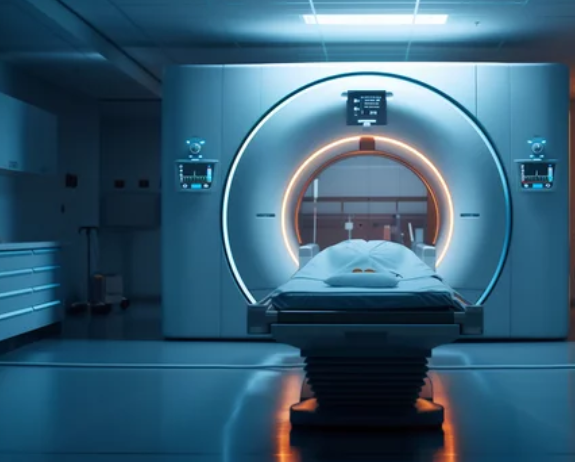
Magnetic Resonance Imaging (MRI) has become a cornerstone of modern medical diagnostics. From evaluating neurological conditions and musculoskeletal injuries to monitoring cancer treatment, MRI provides high-resolution images of the body’s internal structures. Despite its widespread use, some patients express concern about potential health risks, particularly regarding cancer. Understanding why MRI is considered low risk is essential for both patients and healthcare providers seeking safe, effective imaging options.
This article explains the science behind MRI, outlines its safety profile, and highlights why MRI remains one of the safest diagnostic tools available.
How MRI Works: Non-Ionizing Imaging Technology
MRI uses magnetic fields and radiofrequency (RF) energy to create detailed images of the body. Unlike X-rays or CT scans, MRI does not use ionizing radiation, which is known to damage DNA and increase cancer risk.
Key Components of MRI:
- Static Magnetic Fields – Align hydrogen atoms in tissues
- Gradient Fields – Encode spatial information for imaging
- Radiofrequency Pulses – Excite atoms to generate signals
- Computer Processing – Converts signals into detailed images
Because MRI relies on non-ionizing energy, it cannot break chemical bonds or alter DNA, making it inherently safe for patients of all ages.
Evidence Supporting MRI’s Low Risk
Large Population Studies
Millions of patients worldwide have undergone MRI scans, often repeatedly, without any increase in cancer incidence. Long-term population studies confirm:
- No evidence of DNA damage caused by MRI
- No link between MRI exposure and cancer development
- Safe use across diverse age groups and clinical conditions
Pediatric Studies
Children are more sensitive to environmental exposures, yet research shows:
- MRI is safe for infants, toddlers, and older children
- No increase in childhood cancer risk has been observed
- Repeated imaging over years is safe, making MRI ideal for chronic conditions
Occupational Safety Research
Healthcare workers in MRI environments are exposed to strong magnetic fields daily. Studies show:
- No elevated cancer rates
- No neurological or reproductive health effects
- Safe long-term occupational exposure
MRI vs. Other Imaging Techniques
A primary reason MRI is considered low risk is its contrast with radiation-based imaging:
| Imaging Type | Radiation Use | Cancer Risk |
|---|---|---|
| MRI | None | None |
| X-ray | Low | Minimal, with repeated exposure |
| CT scan | High | Slightly increased risk with repeated scans |
MRI’s non-ionizing nature gives it a clear safety advantage, particularly for patients requiring multiple scans.
Safety of MRI Contrast Agents
Some MRI scans use gadolinium-based contrast agents to enhance image clarity. Safety research shows:
- Contrast agents do not cause cancer
- Retention in tissues occurs but has not been linked to harmful effects in patients with normal kidney function
- Use is carefully regulated and tailored to patient health
Modern macrocyclic agents are stable, reducing any potential risks associated with contrast use.
Temporary Effects and Considerations
While MRI is very safe, patients may occasionally experience:
- Mild discomfort due to confined spaces (claustrophobia)
- Temporary dizziness or tingling sensations from magnetic fields
- Minor heating in areas exposed to RF energy
These effects are temporary, non-harmful, and carefully monitored by MRI technologists.
MRI Safety in Special Populations
Pregnant Patients
- MRI is considered safe during pregnancy when clinically necessary
- Avoids ionizing radiation, protecting the fetus
- Gadolinium contrast is only used if essential
Patients with Implants or Metal Devices
- Screening protocols ensure pacemakers, cochlear implants, and other metal devices are evaluated
- MRI-compatible devices are widely available
Children
- MRI is preferred over CT for repeated imaging due to zero radiation exposure
- Sedation protocols ensure safety and comfort for young patients
Regulatory Oversight and Safety Standards
MRI systems operate under strict international guidelines that regulate:
- Maximum magnetic field strength
- Gradient and RF exposure limits
- Patient screening and monitoring procedures
These regulations, along with continuous research, maintain MRI’s high safety profile.
Addressing Common Misconceptions
Myth 1: MRI Radiation Can Cause Cancer
Fact: MRI does not use ionizing radiation; there is no risk of DNA damage or cancer.
Myth 2: Repeated MRI Scans Are Dangerous
Fact: MRI exposure does not accumulate over time; repeated scans are safe.
Myth 3: Strong Magnetic Fields Affect Cells
Fact: Magnetic fields align atoms temporarily but do not damage DNA or cellular structures.
Why MRI Is Considered Low Risk
- Non-Ionizing Technology – Unlike X-rays or CT scans, MRI cannot damage DNA
- Extensive Safety Research – Large population, pediatric, and occupational studies confirm safety
- Regulated Contrast Use – Gadolinium agents are safe and monitored
- Global Safety Standards – Protocols ensure patient protection and minimize side effects
- Suitable for Repeated Imaging – Safe for chronic conditions, children, and long-term monitoring
Conclusion
MRI is considered a low-risk diagnostic tool due to its non-ionizing nature, decades of research, and strict safety protocols. Unlike radiation-based imaging, MRI poses no known cancer risk, making it suitable for repeated use, pediatric patients, and vulnerable populations such as pregnant women. Temporary discomfort or mild side effects are rare and easily managed.
For patients and caregivers, understanding the science behind MRI can alleviate concerns, allowing them to focus on the benefits of accurate, safe, and detailed medical imaging.
Also Read :