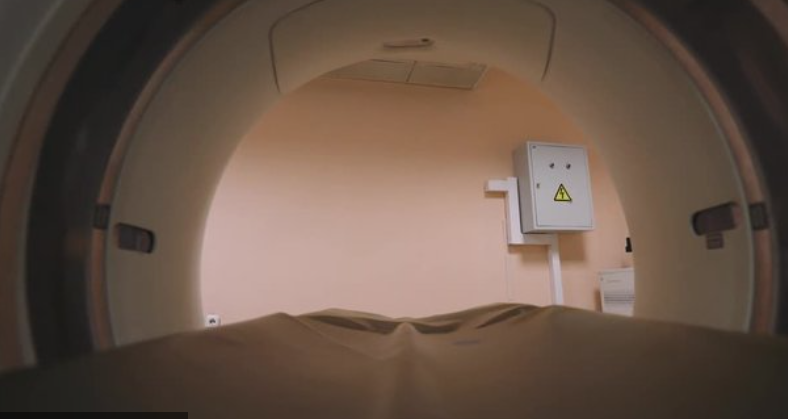
Magnetic Resonance Imaging (MRI) has become one of the most powerful and widely used diagnostic tools in modern medicine. From detecting brain disorders and spinal injuries to monitoring cancer and heart disease, MRI scans provide highly detailed images without using ionizing radiation. Despite its widespread use and strong safety record, many patients still ask an important question: Do MRI exposure levels affect long-term health outcomes?
This in-depth, SEO-optimized article explores MRI exposure levels, how the technology works, what scientific studies say about health outcomes, and why MRI is considered one of the safest medical imaging techniques available today.
Understanding MRI Technology and Exposure Levels
How MRI Works Without Radiation
Unlike X-rays and CT scans, MRI does not use ionizing radiation. Instead, it relies on three main components:
- Strong magnetic fields
- Radiofrequency (RF) waves
- Computer algorithms to generate images
The MRI machine aligns hydrogen atoms in the body using a powerful magnetic field. RF pulses temporarily disturb this alignment, and when the atoms return to their normal state, they emit signals. These signals are processed to create detailed images of organs and tissues.
Because MRI uses non-ionizing energy, it does not damage DNA in the way radiation-based imaging can.
What Are MRI Exposure Levels?
MRI exposure levels refer to the intensity and duration of:
- Static magnetic fields (measured in Tesla, T)
- Gradient magnetic fields
- Radiofrequency energy, often discussed in terms of Specific Absorption Rate (SAR)
Common clinical MRI scanners operate at:
- 1.5 Tesla (most common worldwide)
- 3 Tesla (higher resolution, more detail)
Research-grade scanners may reach 7 Tesla or higher, but these are typically used under strict protocols.
MRI Exposure Levels: Are They Safe?
Regulatory Safety Standards
International health organizations strictly regulate MRI exposure levels. These include:
- Limits on magnetic field strength
- SAR thresholds to prevent tissue heating
- Guidelines for scan duration and patient positioning
These safety limits are designed to ensure that MRI scans remain well within levels shown to be safe for humans, including children and patients requiring repeated imaging.
Tissue Heating and RF Energy
One of the most discussed MRI-related concerns is tissue heating caused by RF energy. However:
- Modern MRI systems continuously monitor SAR levels
- Automatic shutdowns occur if thresholds are approached
- Patients rarely experience more than mild warmth
Large-scale clinical studies show no evidence of harmful thermal effects when MRI safety guidelines are followed.
Health Outcomes Linked to MRI Exposure: What Research Shows
MRI and Cancer Risk
One of the most common public concerns is whether MRI scans increase cancer risk. The scientific consensus is clear:
- MRI does not increase cancer risk
- No link has been established between MRI exposure and tumor development
- MRI is often preferred for cancer monitoring precisely because it avoids radiation
Unlike CT scans, MRI does not expose patients to ionizing radiation, which is the known risk factor for radiation-induced cancer.
Long-Term Health Effects of MRI Scans
Decades of clinical use and research have examined long-term health outcomes of MRI exposure. Findings consistently show:
- No increased risk of neurological disorders
- No evidence of genetic damage
- No cumulative harm from repeated scans
Patients with chronic conditions who undergo multiple MRIs over many years show no higher rates of adverse health outcomes compared to the general population.
MRI Use in Children and Adolescents
MRI is frequently used in pediatric care due to its excellent safety profile. Key points include:
- No radiation exposure during critical developmental stages
- Safe for brain, spine, and organ imaging
- Preferred imaging method for children whenever possible
Long-term follow-up studies of children who underwent MRI scans have found no association with developmental or cognitive issues.
MRI Contrast Agents and Health Considerations
What Are MRI Contrast Dyes?
Some MRI scans use contrast agents, commonly gadolinium-based compounds, to improve image clarity. These agents help highlight blood vessels, tumors, and inflammation.
Gadolinium Safety and Health Outcomes
Extensive research indicates that gadolinium contrast agents are safe for the vast majority of patients. However:
- Patients with severe kidney disease may require alternative imaging
- Trace amounts of gadolinium retention have been observed, but no proven clinical harm has been linked to this in patients with normal kidney function
Regulatory agencies continue to monitor contrast safety closely, and newer agents are designed for even faster elimination from the body.
Short-Term Effects of MRI Exposure
Common Temporary Sensations
Some patients report mild, short-term effects during or immediately after an MRI, such as:
- Feeling warm
- Hearing loud knocking sounds
- Mild dizziness upon standing
These effects are temporary and not associated with lasting health outcomes.
Claustrophobia and Psychological Responses
While not a physical exposure effect, anxiety or claustrophobia can affect patient comfort. Modern solutions include:
- Open MRI systems
- Faster scanning protocols
- Noise-reduction technology
These advancements significantly improve patient experience without increasing exposure levels.
High-Field MRI: Does Higher Tesla Mean Higher Risk?
Comparing 1.5T vs. 3T MRI Scanners
Higher-field MRI scanners provide clearer images and faster scans, but do they increase risk?
Current evidence shows:
- 3T MRI scanners remain within established safety limits
- No difference in long-term health outcomes compared to 1.5T scanners
- Slightly increased RF exposure is carefully controlled
High-field MRI is considered safe when used appropriately and under medical supervision.
MRI Safety for Special Populations
Patients with Medical Implants
MRI exposure levels can interact with metallic implants. This is why screening is essential. Today:
- Many implants are labeled “MRI-safe” or “MRI-conditional”
- Strict protocols minimize any potential risks
- Alternative imaging is used when MRI is not suitable
Pregnant Patients and MRI Exposure
MRI is generally avoided during early pregnancy unless medically necessary. However:
- No evidence shows harm to the fetus from MRI exposure
- MRI is preferred over CT when imaging is required during pregnancy
- Contrast agents are used cautiously
Comparing MRI to Other Imaging Modalities
MRI vs. CT Scans
| Feature | MRI | CT Scan |
|---|---|---|
| Radiation | None | Ionizing radiation |
| Cancer risk | No | Low but measurable |
| Image detail | Excellent soft tissue | Excellent bone imaging |
| Long-term safety | Very high | Dose-dependent |
This comparison highlights why MRI is often chosen when repeated imaging is required.
Public Myths About MRI Exposure and Health Risks
Myth 1: MRI Causes Brain Damage
Fact: No scientific evidence supports this claim.
Myth 2: Multiple MRIs Are Dangerous
Fact: There is no cumulative exposure risk associated with MRI scans.
Myth 3: Strong Magnets Alter DNA
Fact: Magnetic fields used in MRI do not damage genetic material.
Why MRI Is Considered a Gold Standard in Medical Imaging
MRI remains one of the safest diagnostic tools available due to:
- Absence of ionizing radiation
- Strict international safety regulations
- Continuous technological improvements
- Extensive long-term research data
Its benefits in early diagnosis, disease monitoring, and treatment planning far outweigh any minimal and temporary discomforts.
Final Thoughts on MRI Exposure Levels and Health Outcomes
The scientific evidence overwhelmingly supports the safety of MRI exposure levels. Decades of research, millions of scans performed annually, and rigorous regulatory oversight confirm that MRI does not cause cancer, long-term health problems, or cumulative biological harm.
For patients and healthcare providers alike, MRI remains a trusted, low-risk imaging method that plays a critical role in modern medicine. Understanding how MRI works and what the research says can help reduce anxiety and empower patients to make informed healthcare decisions.
Also Read :