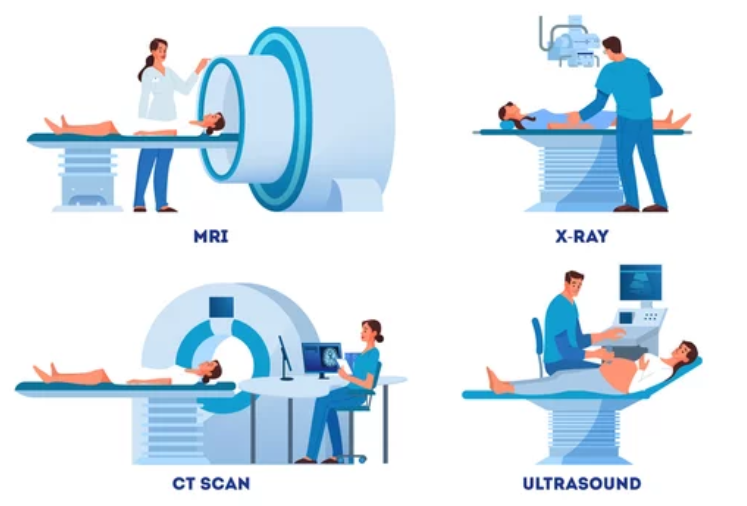
Magnetic Resonance Imaging (MRI) is a cornerstone of modern medical diagnostics, valued for its ability to produce detailed images of internal organs and tissues without exposing patients to ionizing radiation. As MRI use continues to expand across neurology, oncology, cardiology, and pediatric care, scientific interest has increasingly focused on an important question: Do MRI scans have any effects at the cellular level?
This comprehensive, SEO-optimized article reviews current research on MRI scans and cellular effects. It explains what cells are exposed to during MRI, what laboratory and clinical studies have found so far, where scientific consensus exists, and which areas remain under active investigation.
Understanding MRI Exposure at the Cellular Level
What Cells Experience During an MRI Scan
During an MRI scan, cells in the body are exposed to three main physical factors:
- Static magnetic fields that align hydrogen atoms
- Gradient magnetic fields that change rapidly to encode spatial information
- Radiofrequency (RF) energy that temporarily excites hydrogen nuclei
Importantly, none of these involve ionizing radiation. Ionizing radiation has enough energy to directly damage DNA, which can lead to mutations and cancer. MRI energy levels operate well below this threshold.
Why Cellular Effects Matter in Medical Research
Cells are the basic units of life. Studying MRI’s impact at the cellular level helps scientists understand whether repeated or long-term exposure could potentially:
- Alter DNA structure
- Disrupt cellular signaling
- Affect cell growth or viability
Answering these questions is essential for ensuring the long-term safety of MRI in both patients and healthcare workers.
What Current Research Says About MRI and Cells
DNA Integrity and Genetic Stability
One of the most extensively studied areas is whether MRI exposure affects DNA.
Current research findings show:
- No consistent evidence of DNA breaks caused by MRI exposure
- No increase in mutation rates following clinical MRI scans
- No disruption of genetic material in human or animal studies
Most studies conclude that MRI does not damage DNA because the energy levels involved are too low to break chemical bonds.
Cell Growth and Viability Studies
Laboratory studies examining cell cultures exposed to MRI-strength magnetic fields have investigated whether cells show abnormal growth patterns.
Results consistently indicate:
- Normal cell survival rates after exposure
- No increase in uncontrolled cell growth
- No evidence of cancer-like cellular behavior
These findings align with large clinical studies showing no increased cancer risk in patients undergoing MRI scans.
Oxidative Stress and Cellular Metabolism
Some experimental studies have explored whether MRI exposure could influence oxidative stress, a process linked to cellular aging and disease.
Key observations include:
- Temporary changes in cellular signaling in some laboratory settings
- No sustained increase in oxidative stress markers
- No long-term metabolic disruption in living organisms
Researchers emphasize that short-term cellular responses do not translate into long-term health effects.
Radiofrequency Energy and Cellular Heating
Understanding RF Energy at the Cellular Scale
RF energy used in MRI can cause very small increases in temperature at the tissue level. This is carefully regulated through the Specific Absorption Rate (SAR).
At the cellular level:
- Temperature changes are minimal
- Cells remain within normal physiological ranges
- Protective biological mechanisms maintain stability
Extensive research confirms that RF-induced heating during MRI is insufficient to cause cellular injury.
Safety Margins Built Into MRI Systems
MRI scanners are designed with multiple safeguards, including:
- Conservative SAR limits
- Continuous real-time monitoring
- Automatic system adjustments
These features ensure that cells are never exposed to harmful thermal conditions.
Magnetic Fields and Cellular Function
Static Magnetic Fields and Cell Behavior
Static magnetic fields used in MRI have been studied for potential effects on:
- Cell membrane structure
- Ion channels
- Intracellular signaling
Most studies report:
- No permanent changes in cell function
- No disruption of normal cellular processes
- No evidence of toxicity
Cells return to their baseline state immediately after exposure ends.
Gradient Magnetic Fields and Cellular Activity
Gradient fields change rapidly during scanning and can induce weak electrical currents in tissues. Research shows:
- These currents are far below levels that affect cellular integrity
- No long-term changes in nerve or muscle cells
- No cumulative cellular effects
These findings are supported by decades of clinical MRI use without observed cellular harm.
MRI Contrast Agents and Cellular Research
How Contrast Agents Interact With Cells
Gadolinium-based contrast agents (GBCAs) are sometimes used to improve image clarity. At the cellular level, research focuses on:
- Cellular uptake
- Elimination mechanisms
- Potential toxicity
Studies show that:
- Gadolinium remains largely extracellular
- Cells efficiently clear contrast agents in healthy individuals
- No cancer-related cellular changes have been identified
Gadolinium Retention: Ongoing Cellular Studies
Researchers continue to investigate why trace amounts of gadolinium can remain in some tissues.
Current evidence indicates:
- No proven harmful cellular effects
- No disruption of cellular DNA or function
- No link to cancer or degenerative disease
Ongoing studies aim to refine contrast formulations and further minimize retention.
MRI and Cellular Effects in Special Populations
Pediatric Cellular Safety
Children’s cells are often considered more sensitive due to growth and development. Research shows:
- No cellular abnormalities linked to pediatric MRI exposure
- Normal cellular development and differentiation
- No long-term biological effects
This supports MRI’s widespread use in pediatric diagnostics.
MRI Exposure During Pregnancy
Cellular studies related to prenatal MRI exposure indicate:
- No disruption of fetal cellular development
- No genetic or chromosomal abnormalities
- No long-term cellular consequences
As a precaution, contrast agents are typically avoided unless medically necessary.
Occupational Exposure and Cellular Health
MRI Professionals and Repeated Exposure
MRI technologists and radiologists experience repeated occupational exposure to MRI environments. Long-term studies show:
- No cellular damage or increased mutation rates
- No higher incidence of cancer
- No adverse biological markers
These findings further support the cellular safety of MRI.
What Scientists Are Still Studying
Subtle and Short-Term Cellular Responses
Researchers continue to explore:
- Temporary cellular signaling changes
- Adaptive cellular responses to magnetic fields
- Differences between laboratory and clinical exposure
So far, these effects appear transient and biologically insignificant.
High-Field and Ultra-High-Field MRI
Advanced MRI systems operating above 3 Tesla are under active investigation. Research focuses on:
- Cellular responses to stronger magnetic fields
- Optimizing safety margins
- Long-term biological monitoring
Early data suggest that even high-field MRI remains safe when used under strict protocols.
Lifetime MRI Exposure and Cells
Scientists are also examining:
- Long-term population data
- Repeated MRI scans over decades
- Cellular aging markers
Current findings remain reassuring, with no evidence of cumulative cellular harm.
MRI Compared to Imaging That Affects Cells
MRI vs. Radiation-Based Imaging
| Feature | MRI | CT Scan / X-Ray |
|---|---|---|
| Ionizing radiation | No | Yes |
| DNA damage | No evidence | Possible at high doses |
| Cellular mutation risk | None identified | Dose-dependent |
| Repeat imaging safety | Very high | Limited |
This comparison highlights why MRI is often preferred for long-term monitoring.
Common Misconceptions About MRI and Cells
Myth 1: MRI Damages Cells
Fact: Extensive research shows no cellular damage from MRI scans.
Myth 2: MRI Alters DNA at the Cellular Level
Fact: MRI energy is too weak to break DNA bonds.
Myth 3: Cellular Effects Appear Years Later
Fact: Long-term studies have not identified delayed cellular harm.
Why Cellular Research Supports MRI Safety
The collective body of cellular research supports MRI safety because:
- Exposure levels are well below harmful thresholds
- Biological systems maintain cellular stability
- Regulatory standards are conservative and evidence-based
Continuous monitoring and research ensure that MRI remains safe as technology evolves.
Conclusion: What Current Research Tells Us About MRI and Cellular Effects
Current scientific research strongly indicates that MRI scans do not cause harmful cellular effects. Studies examining DNA integrity, cell growth, metabolism, and signaling consistently show no lasting or clinically significant changes following MRI exposure. The absence of ionizing radiation, combined with strict safety standards, explains MRI’s excellent biological safety profile.
Ongoing research into contrast agents, high-field MRI, and lifetime exposure reflects medicine’s commitment to continuous improvement and patient protection—not evidence of known danger.
Also Read :