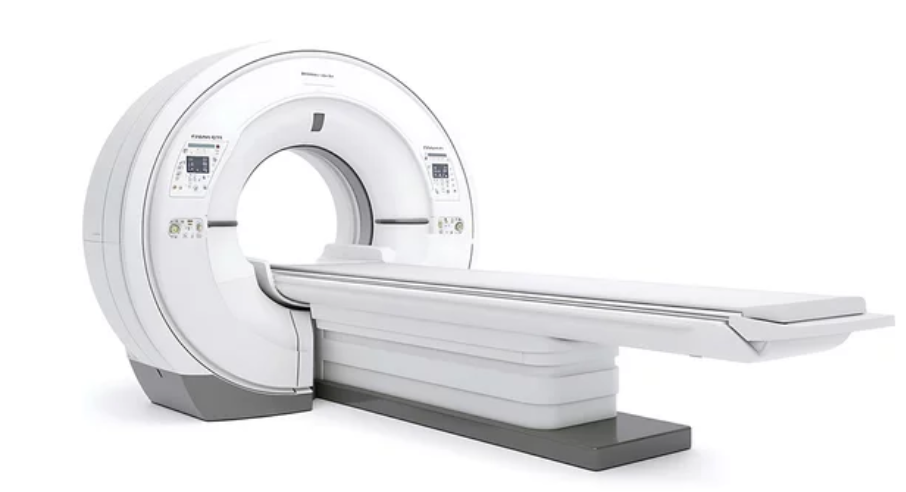
Magnetic Resonance Imaging (MRI) is one of the most widely used diagnostic tools in modern medicine. It is essential for detecting disease, guiding treatment, and monitoring long-term health conditions—especially cancer. Despite its widespread clinical use and strong safety record, claims occasionally surface suggesting that MRI may increase cancer risk or cause hidden biological harm. These claims can generate fear and confusion among patients who rely on MRI for their care.
This in-depth, evidence-based article investigates common claims about MRI and cancer. By examining scientific research, clinical data, and expert consensus, we separate fact from fiction and explain what is truly known—and what is not—about MRI safety.
Understanding MRI and Why Cancer Concerns Arise
What Is MRI and How Does It Work?
MRI is a non-invasive imaging technique that uses:
- Strong static magnetic fields
- Rapidly changing gradient magnetic fields
- Radiofrequency (RF) energy
These elements work together to produce detailed images of internal organs and soft tissues. Importantly, MRI does not use ionizing radiation, which is the type of radiation known to damage DNA and increase cancer risk.
Why MRI Is Often Confused With Radiation Imaging
Many cancer-related claims about MRI stem from confusion between MRI and imaging methods such as CT scans and X-rays. These radiation-based techniques do involve ionizing radiation, which can increase cancer risk at high or repeated doses.
MRI, however, operates on a completely different physical principle. Understanding this distinction is critical when evaluating claims about MRI and cancer.
Common Claims About MRI and Cancer—Examined
Claim 1: MRI Causes Cancer
What the claim says:
Some sources suggest that exposure to MRI magnetic fields or RF energy can trigger cancer.
What the evidence shows:
- No scientific study has demonstrated a causal link between MRI exposure and cancer
- Large population studies show no increase in cancer rates among MRI patients
- MRI does not damage DNA or cause genetic mutations
Because MRI uses non-ionizing energy, it does not initiate the biological processes associated with cancer development.
Claim 2: Repeated MRI Scans Increase Cancer Risk
What the claim says:
Undergoing multiple MRI scans over time may have cumulative harmful effects.
What the evidence shows:
- MRI exposure does not accumulate in the body
- Magnetic fields stop immediately when the scan ends
- Long-term studies show no increased cancer risk in patients with repeated MRI exposure
Repeated MRI use is common in cancer survivors and patients with chronic illness, and no long-term harm has been identified.
Claim 3: MRI Magnetic Fields Damage Cells or DNA
What the claim says:
Strong MRI magnets may disrupt cellular structures or alter DNA.
What the evidence shows:
- MRI magnetic fields are too weak to break chemical bonds
- Laboratory and clinical studies show no DNA damage
- Cells return to normal function immediately after exposure
This claim has been extensively studied and consistently disproven.
What Large-Scale Scientific Studies Reveal
Population and Epidemiological Studies
Large observational studies involving millions of patients worldwide have found:
- No correlation between MRI exposure and cancer incidence
- No increased cancer rates in children or adults exposed to MRI
- No delayed or “hidden” cancer effects years after MRI scans
These findings form the foundation of the medical consensus on MRI safety.
Occupational Studies of MRI Professionals
MRI technologists and radiologists are exposed to MRI environments daily. Long-term occupational studies show:
- No higher cancer rates than the general population
- No increased neurological or cardiovascular disease
- No evidence of cumulative biological harm
This real-world exposure data strongly contradicts claims of cancer risk.
MRI Contrast Agents and Cancer Claims
Understanding Gadolinium-Based Contrast Agents
Some MRI scans use contrast agents to enhance image quality. These agents do not involve radiation and are chemically distinct from radioactive tracers used in nuclear medicine.
Claims About Contrast Agents Causing Cancer
What the claim says:
Gadolinium contrast agents may be toxic or carcinogenic.
What the evidence shows:
- No link has been established between gadolinium contrast and cancer
- Most contrast is rapidly eliminated in patients with normal kidney function
- Trace retention has not been shown to cause disease
Medical guidelines ensure contrast agents are used only when the diagnostic benefit outweighs any potential risk.
MRI in Cancer Care: A Contradiction to the Claims
If MRI caused cancer, it would not be so heavily relied upon in oncology. In reality, MRI is used because it:
- Does not expose patients to radiation
- Allows safe, repeated imaging
- Provides detailed tumor assessment
MRI is often chosen specifically to reduce cumulative radiation exposure in cancer patients.
MRI and Cancer Risk in Vulnerable Populations
Children and Adolescents
Claims about MRI causing cancer are particularly concerning for children. However:
- Pediatric studies show no increased cancer risk
- MRI is preferred over CT scans whenever possible
- Long-term follow-up studies confirm safety
Pregnant Patients
MRI may be used during pregnancy when necessary. Research indicates:
- No increased cancer risk for the fetus
- No developmental or genetic abnormalities
- Strong safety outcomes without contrast use
Why Misinformation About MRI Persists
Misinterpretation of Scientific Research
Some claims arise from:
- Misunderstanding laboratory studies
- Confusing MRI with radiation imaging
- Overinterpreting preliminary or unrelated findings
Scientific studies must be evaluated in context, using peer-reviewed evidence and real-world data.
The Role of Online Misinformation
Social media and unverified websites often amplify fears by:
- Using alarming language without evidence
- Ignoring scientific consensus
- Cherry-picking isolated findings
Patients are encouraged to rely on reputable medical sources and healthcare professionals.
What Scientists Are Still Studying—And Why
Ongoing Research Does Not Mean Proven Danger
Medical science continuously studies MRI to:
- Improve contrast agents
- Optimize scan protocols
- Explore ultra-high-field MRI systems
Ongoing research reflects a commitment to safety—not evidence of known cancer risk.
Monitoring Long-Term Outcomes
Researchers continue to track:
- Lifetime MRI exposure
- Repeated scans over decades
- Population-level health outcomes
So far, findings remain reassuring and consistent with MRI’s strong safety profile.
MRI vs. Radiation Imaging: A Critical Distinction
| Feature | MRI | CT / X-Ray |
|---|---|---|
| Ionizing radiation | No | Yes |
| DNA damage risk | None identified | Possible |
| Cancer risk | Not linked | Low but cumulative |
| Repeat imaging safety | Excellent | Limited |
This comparison explains why MRI-related cancer claims are scientifically unsupported.
Expert and Regulatory Consensus
Major medical organizations worldwide agree:
- MRI does not cause cancer
- MRI is safe when used appropriately
- No evidence supports claims of carcinogenic effects
MRI safety guidelines are continuously updated based on the best available evidence.
Conclusion: What the Evidence Truly Shows About MRI and Cancer
After carefully investigating claims about MRI and cancer, the conclusion is clear: there is no scientific evidence that MRI causes cancer or increases cancer risk. Decades of research, millions of scans, occupational exposure data, and clinical experience all support MRI’s exceptional safety record.
Claims suggesting otherwise are rooted in misunderstanding, misinformation, or confusion with radiation-based imaging
Also Read :