
Magnetic Resonance Imaging (MRI) has become a cornerstone of modern medical diagnostics. From detecting early disease to guiding treatment plans and monitoring chronic conditions, MRI offers unmatched detail and versatility. However, with its widespread use comes a natural question: Does …
 Bornupdates
MRI and Oncology: A Safe Diagnostic Partnership

Magnetic Resonance Imaging (MRI) has become one of the most powerful tools in modern oncology. From early cancer detection to treatment planning and long-term follow-up, MRI plays a central role in how clinicians diagnose and manage cancer safely and effectively. …
Investigating Claims About MRI and Cancer
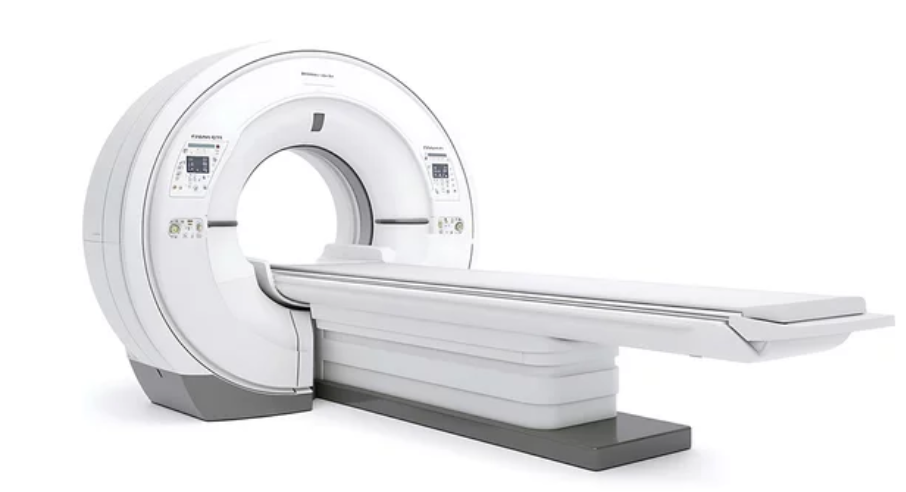
Magnetic Resonance Imaging (MRI) is one of the most widely used diagnostic tools in modern medicine. It is essential for detecting disease, guiding treatment, and monitoring long-term health conditions—especially cancer. Despite its widespread clinical use and strong safety record, claims …
MRI Safety in Repeated Medical Use

Magnetic Resonance Imaging (MRI) is a vital tool in modern medicine, relied upon for diagnosing diseases, guiding treatment decisions, and monitoring long-term health conditions. For many patients—such as those with cancer, neurological disorders, autoimmune diseases, or chronic injuries—MRI is not …
Why MRI Is Different from Radiation Imaging
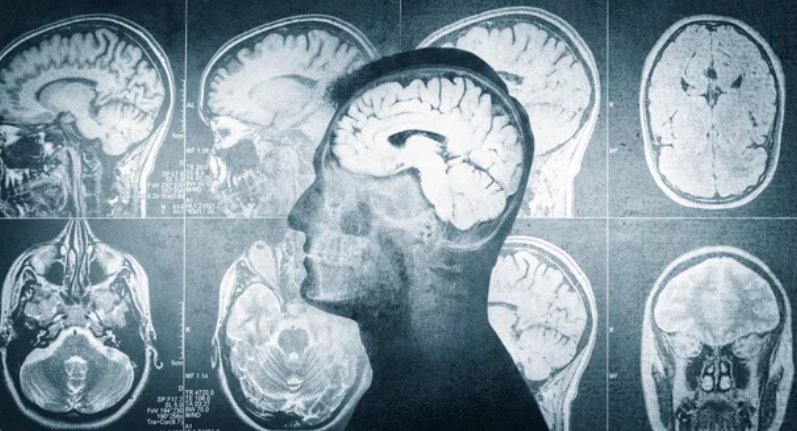
Medical imaging plays a critical role in modern healthcare, enabling doctors to diagnose diseases, guide treatments, and monitor patient progress with precision. Among the many imaging technologies available, Magnetic Resonance Imaging (MRI) stands apart from radiation-based methods such as X-rays, …
MRI Scans and Cellular Effects: Current Research
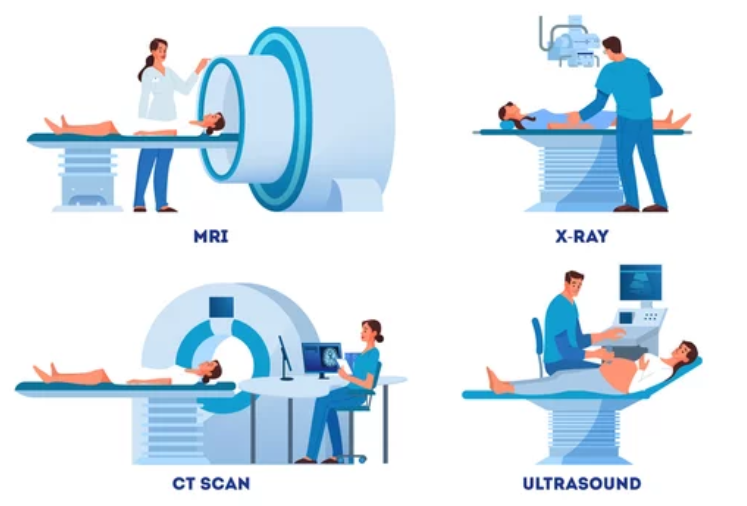
Magnetic Resonance Imaging (MRI) is a cornerstone of modern medical diagnostics, valued for its ability to produce detailed images of internal organs and tissues without exposing patients to ionizing radiation. As MRI use continues to expand across neurology, oncology, cardiology, …
Cancer and MRI: What We Know—and What We’re Studying
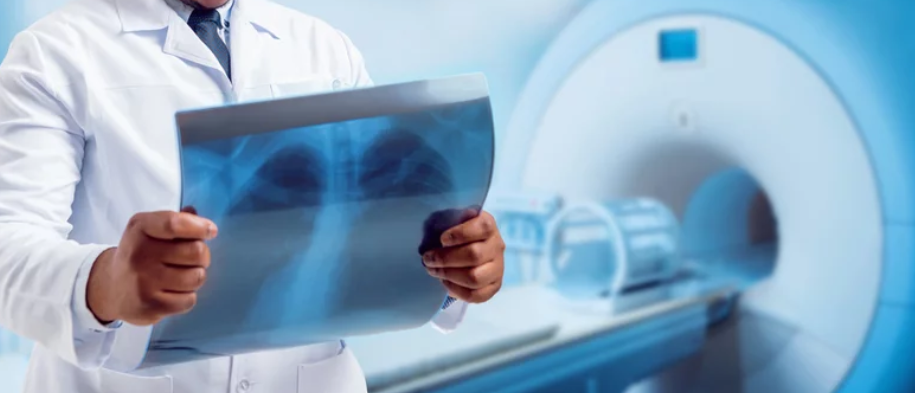
Magnetic Resonance Imaging (MRI) is one of the most important technologies in modern cancer care. It is used every day to detect tumors, guide biopsies, plan treatments, and monitor disease progression or recovery. Because MRI plays such a central role …
Patient Safety and MRI: What the Evidence Shows
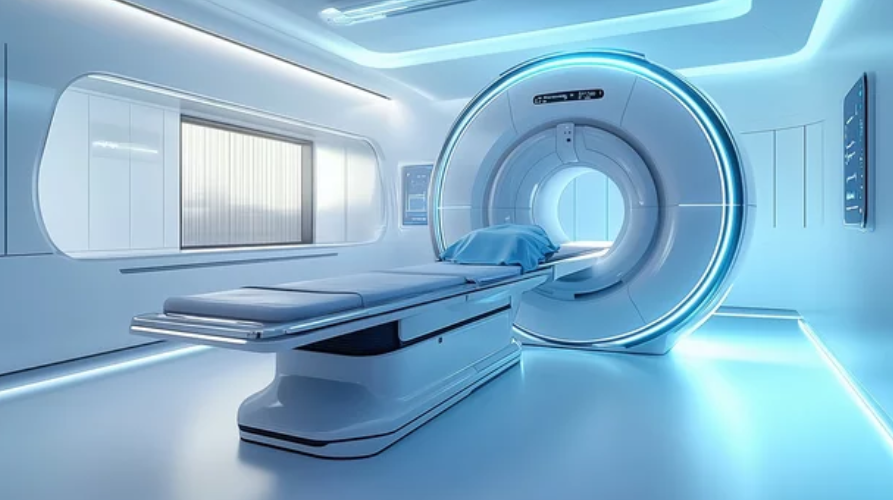
Magnetic Resonance Imaging (MRI) is one of the most advanced and widely trusted diagnostic tools in modern medicine. Every day, millions of patients worldwide undergo MRI scans to diagnose diseases, guide treatment decisions, and monitor long-term health conditions. Despite its …
MRI in Medical Diagnostics: Assessing Long-Term Risks
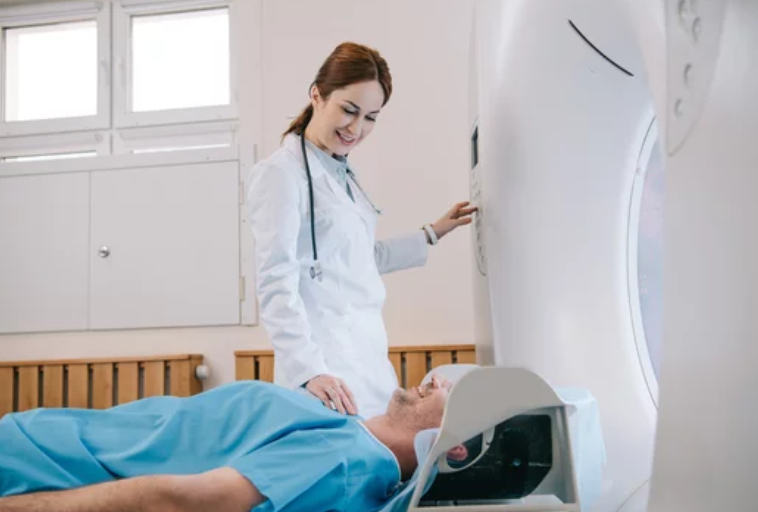
Magnetic Resonance Imaging (MRI) has transformed medical diagnostics by enabling clinicians to visualize internal organs, soft tissues, and complex structures with exceptional clarity. From neurological disorders and musculoskeletal injuries to cardiovascular disease and cancer monitoring, MRI plays a central role …
Magnetic Resonance Imaging: A Cancer Safety Review
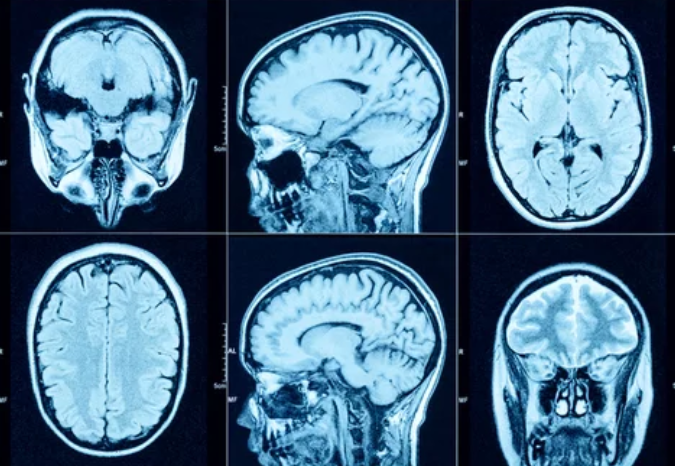
Magnetic Resonance Imaging (MRI) is one of the most trusted diagnostic technologies in modern healthcare. It plays a vital role in detecting, staging, and monitoring cancer, as well as evaluating a wide range of non-cancerous conditions. Despite its proven clinical …